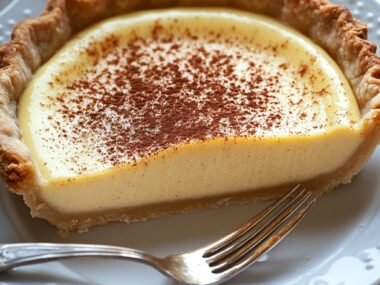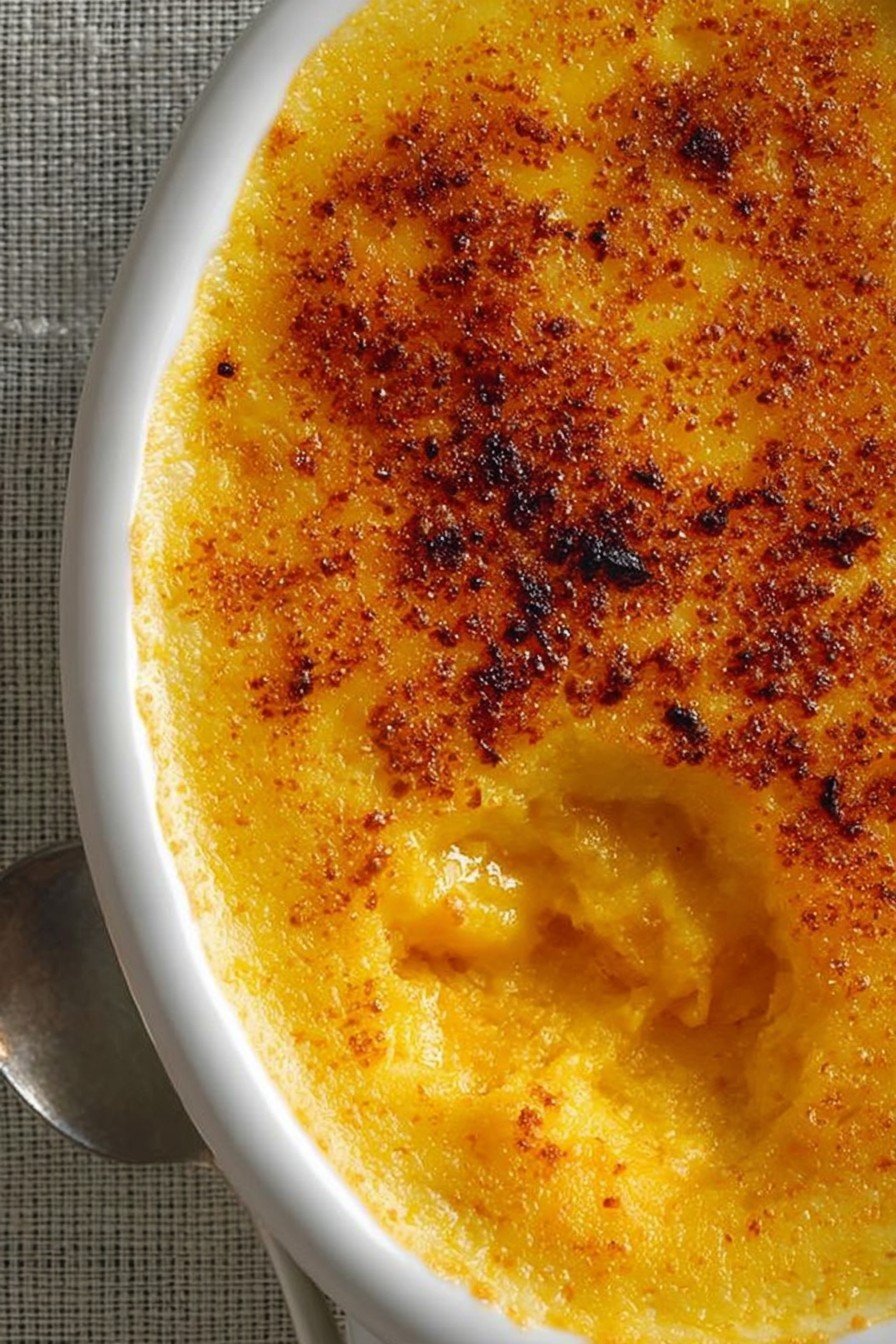
Let’s Talk About This Custard (and Why I Keep Making It)
You know how some recipes just show up in your life out of nowhere and somehow stick around? Yeah, that’s this butternut squash custard for me. The first time I made it, I was supposed to bring dessert to my cousin Evelyn’s Thanksgiving (I’d forgotten, of course). Pie crust and I have never got along—so I went rogue with roasted squash and a pile of eggs. It turned out so much better than my sad, soggy attempts at pie, honestly. And now my family actually asks for it. Evelyn still thinks there’s magic involved, but really, it’s just what happens when you accidentally forget the pie but remember the custard.
Some folks around here wrinkle their noses at anything ‘vegetable’ in dessert (I see you, Uncle Pete), but nobody’s ever guessed this was squash unless I blurt it out during dinner. I still haven’t lived down “Custard Catastrophe of 2017” though—that’s a story for another day.
Why You’ll Love This (Trust Me, Even If Pie’s Not Your Thing)
I make this when there’s a butternut squash rolling around on the kitchen counter (seriously, these things linger forever in the pantry) and I want something super creamy without the faff of rolling dough. My family goes nuts for it because it’s custardy but not heavy. Plus, it’s gluten-free (if that matters to you—sometimes it does, sometimes not).
There are autumn days when I crave the smell of cinnamon and nutmeg wafting out of the oven to cover up the scent of… well, whatever my teenagers have been up to. And, honestly? I keep this in the fridge for breakfasts. Don’t @ me; custard for breakfast is peak adulthood.
Oh, and if you don’t mind washing the blender, it’s the quickest way to get all those little squash fibers out. Just saying.
What You’ll Need (Plus Some Swaps I Actually Use)
- 2 cups cooked butternut squash purée (sometimes I swap in canned pumpkin if I’m truly in a pinch—nobody’s noticed yet)
- 3/4 cup brown sugar (my grandmother would clutch her pearls, but white sugar works too or try maple syrup for a twist)
- 3 large eggs
- 1 cup half-and-half (heavy cream is lovely; milk works, but the custard’s a bit more, I dunno, wobbly?)
- 2 teaspoons vanilla extract (I’ve used the fake stuff before… judge away)
- 1/2 teaspoon cinnamon
- 1/4 teaspoon nutmeg
- 1/8 teaspoon ground ginger (optional, but it perks things up—sometimes I forget and it’s fine)
- Quarter teaspoon salt
- A little butter for greasing the baking dish
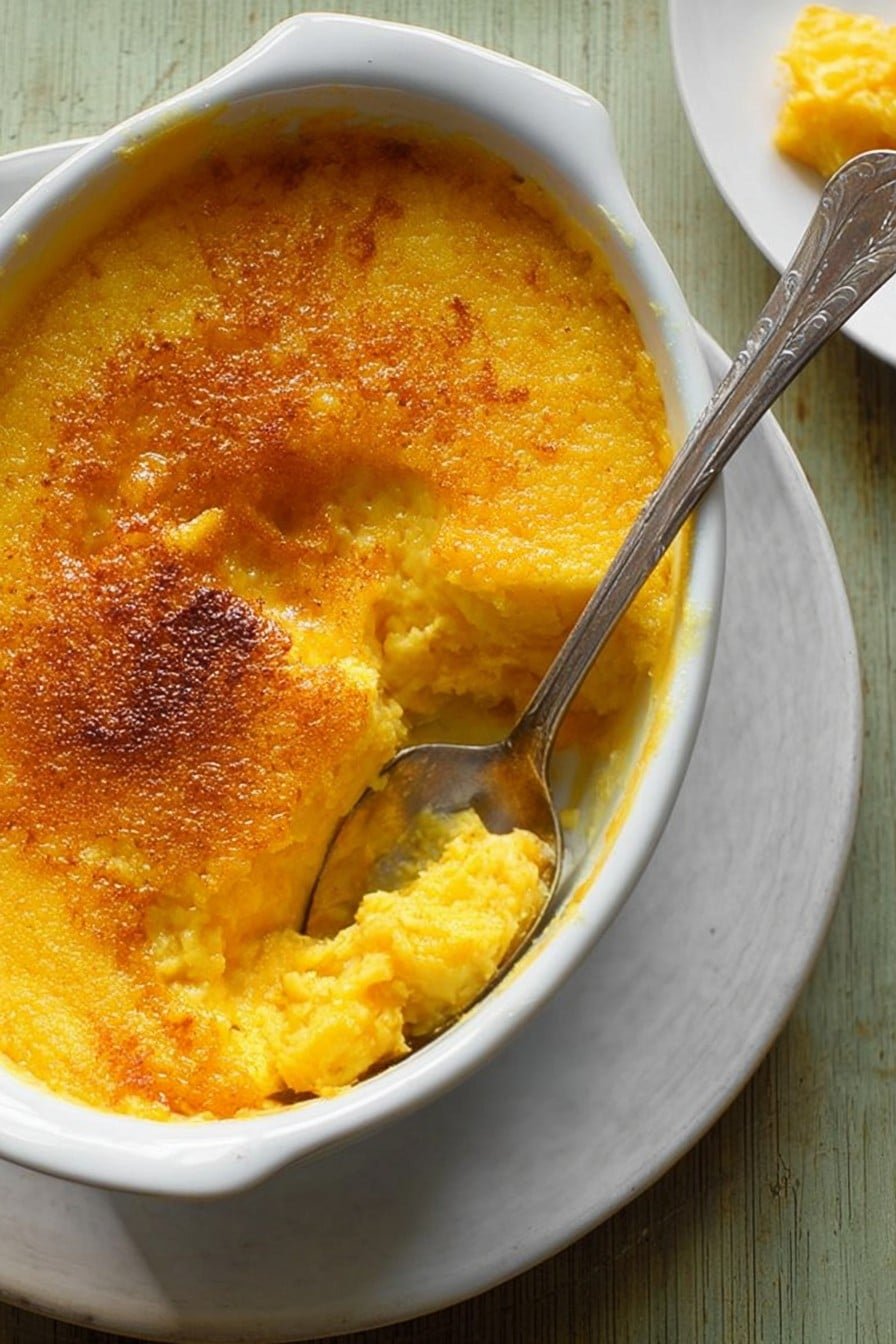
Making Butternut Squash Custard (Don’t Stress; It’s Easier Than Pie)
- Preheat your oven to 325°F (160°C). Grab a medium baking dish—anything around 8×8 or so is fine. Grease it with butter; I usually just use whatever wrapper’s handy.
- In a big bowl (or your trusty blender), combine the squash, sugar, eggs, half-and-half, vanilla, spices, and salt. If you’re doing this by hand, whisk really well—it should look mostly smooth, but don’t sweat a few little lumps. If you’ve got a blender or a food processor, go wild! It makes it positively silky.
- Pour the custard into your baking dish. Sometimes it looks a bit weirdly thick; don’t worry, it evens out as it bakes.
- Bake for about 40-45 minutes—or until the center’s just barely set and no longer totally jiggly. Here’s where I tend to second-guess myself, so I shake the dish ever-so-slightly and, if there’s a gentle wobble, it’s probably done. Stick a toothpick in if you want; it should come out nearly clean.
- Let it cool for at least 20 minutes. This is when I ‘taste-test’ a corner, just to be sure it’s edible (it always is, unless I’ve forgotten the sugar; don’t do that).
Notes From My Kitchen (I’ve Messed These Up, So You Don’t Have To)
- Homemade squash purée tastes richer, but honestly, I’ve used frozen squash after microwaving in a panic and it worked just fine.
- I usually forget to check the custard during baking; as long as you don’t overbake to rubberiness, you’re golden.
- Once, I tried adding a bit of ground cloves—don’t. Unless you want your whole house smelling like a holiday candle store.
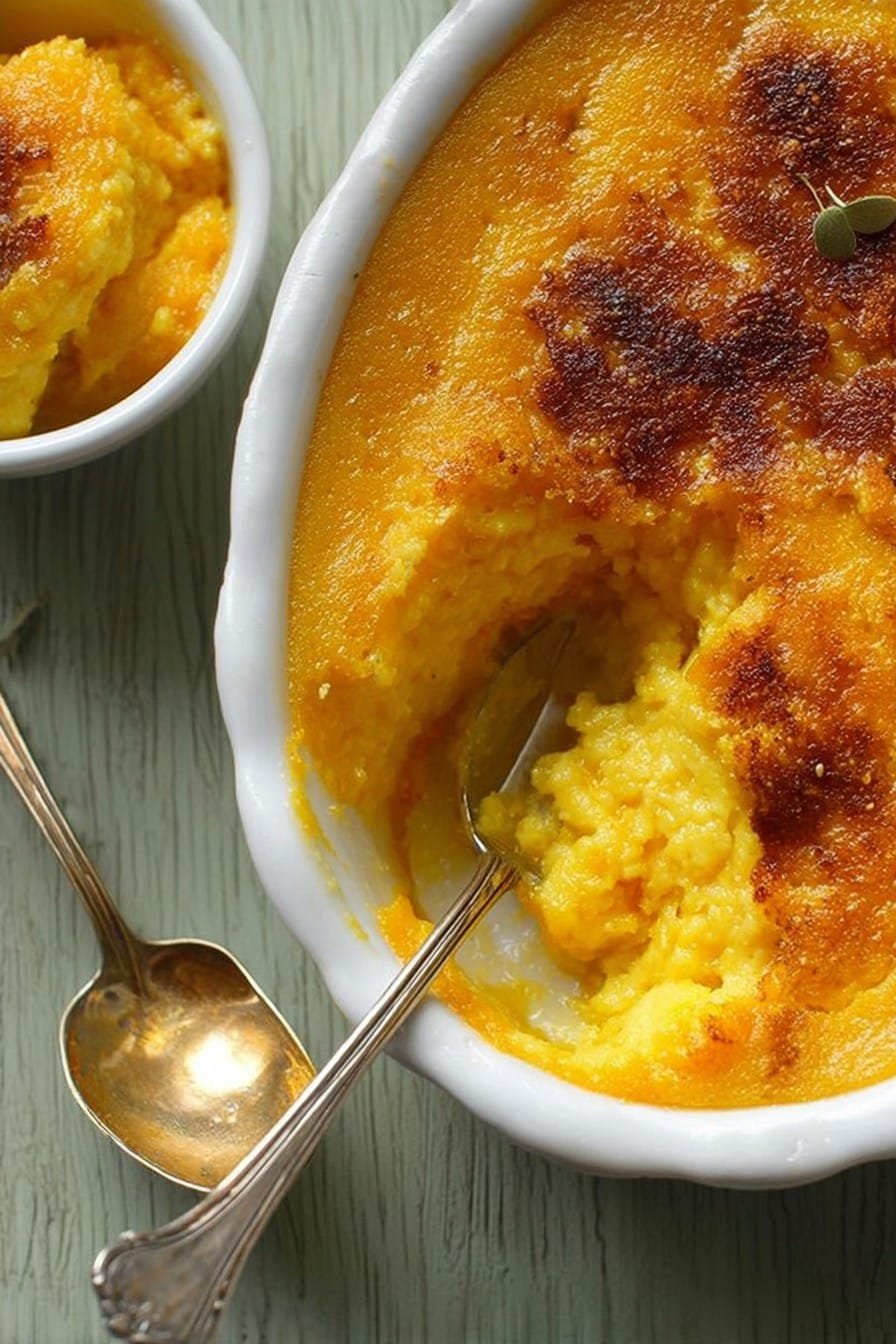
Adventures in Variations (and One That Flopped)
- Swapping half the squash for sweet potato actually worked—tasted a bit more earthy, but nobody minded.
- Once, I tried using coconut milk instead of half-and-half—tasted good, super rich, but it didn’t set as well, so maybe try a bit less.
- Oh, and chocolate chips? Tried those on a whim. Wasn’t really my thing, the flavors argued instead of playing nice together.
What If I Don’t Have the Proper Tools?
You really don’t need anything fancy—just a bowl and a whisk (honestly, I once used a fork and some very aggressive stirring). I prefer my blender for smoothness, but if you don’t have one, just mash up any squash lumps with a potato masher or the back of a spoon. Life’s too short to chase down gadgets, mate.
Stashing Custard (But It Rarely Lasts That Long Around Here)
Store any leftovers in the fridge, covered, for three days. Though honestly, in my house it never lasts more than a day! I’ve snuck cold custard for breakfast plenty of times—best on day two, if you ask me (and even if you don’t).
How We Eat It (A Few Quirks and Traditions)
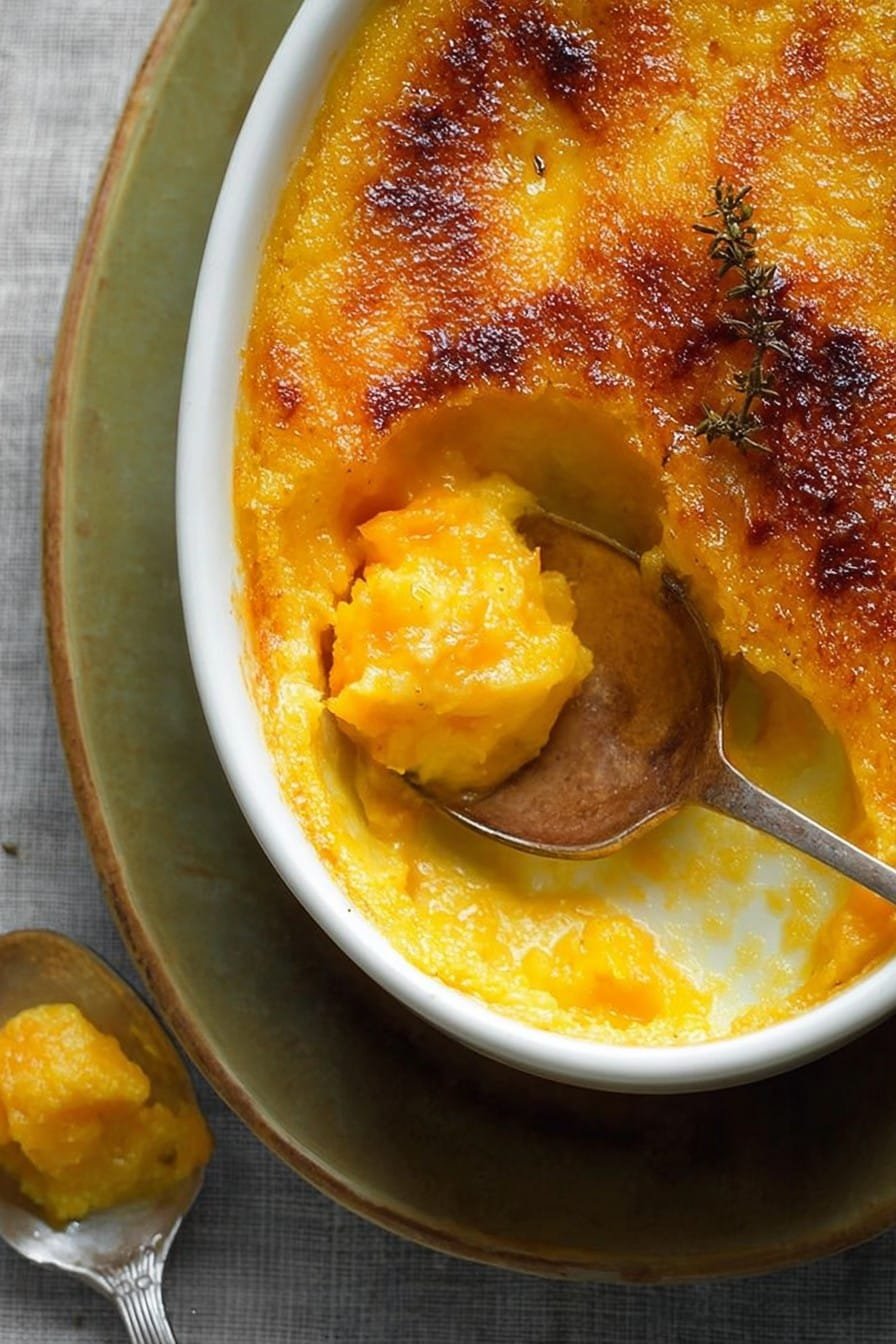
We cut big, messy spoonfuls and dump them into bowls. Sometimes it gets a sprinkle of toasted pecans, a dollop of whipped cream, or, when I’m feeling fancy, a thin drizzle of honey. My uncle likes his warm, but I actually think this tastes better the next day cold, like a cozy pudding. Oh, and if you want to really impress the table, a dusting of grated nutmeg on top looks nice, though I sometimes overdo it and then regret the spicy kick.
Sticky Notes to My Future Self (Things I Screwed Up So You Don’t Have To)
- I once tried rushing the cooling step and it fell apart like a bad game of Jenga—be patient, it sets as it cools.
- If you use pumpkin instead of butternut and it seems too runny, add an extra egg—learned that the hard way after a near-custard soup disaster.
- Blending is fantastic but don’t go nuts and overmix, or you’ll get weird bubbles on top (tastes fine; looks odd).
Questions I’ve Actually Been Asked (Or, Let’s Tackle the Panic Together)
- Can I make it dairy-free? Yep, actually! Almond milk works in a pinch, though it won’t be as rich. I sometimes stir in a bit of coconut cream to get it closer.
- Do I need to peel the squash? Yes, for the love of Pete, don’t toss in chunks with the skin on (yes, I did that once—my blender cried, and so did I).
- Can I freeze the leftovers? Sure, but the texture changes. It’s good for slumping onto oatmeal or stirring into smoothies—though, really, just eat it fresh.
- Could I do this with acorn squash? Probably, though I like butternut for that smooth texture. If you try it, let me know how it goes.
- Is this kid friendly? My crew never noticed there was squash hiding inside, so I’ll take that as a yes. If you get one of those kids that sniffs out veggies, maybe just call it “magic pudding” and see what happens.
A Little Side Note (Completely Unrelated, Sorry)
While you’re at it, if you end up with extra roasted squash, it’s grand for tossing into seriously good salads. Or try freezing the purée for future bakes (I always forget I put it in the freezer, only to discover it months later—it’s like finding a twenty in an old coat pocket).
By the way, if you’re into custards and want to geek out, there’s a brilliant overview of baking times and texture at Sally’s Baking Addiction. Honestly? Helped me out loads when I was troubleshooting (for the third time) why my custard sometimes splits.
Ingredients
- 1 1/2 cups cooked and mashed butternut squash
- 3 large eggs
- 1 cup whole milk
- 1/2 cup heavy cream
- 1/3 cup granulated sugar
- 1/4 teaspoon ground nutmeg
- 1/2 teaspoon ground cinnamon
- 1/4 teaspoon salt
- 1 teaspoon vanilla extract
Instructions
-
1Preheat oven to 350°F (175°C). Lightly grease four small ramekins or a baking dish.
-
2In a large bowl, whisk together eggs, sugar, salt, cinnamon, and nutmeg until well combined.
-
3Add mashed butternut squash, milk, heavy cream, and vanilla extract. Whisk until smooth and fully blended.
-
4Pour the custard mixture evenly into prepared ramekins or the baking dish.
-
5Place filled ramekins in a deep roasting pan. Pour hot water into the pan until it reaches halfway up the sides of the ramekins to create a water bath.
-
6Bake for 35–40 minutes, or until the custards are set and a knife comes out clean from the center. Cool slightly before serving.
Approximate Information for One Serving
Nutrition Disclaimers
Number of total servings shown is approximate. Actual number of servings will depend on your preferred portion sizes.
Nutritional values shown are general guidelines and reflect information for 1 serving using the ingredients listed, not including any optional ingredients. Actual macros may vary slightly depending on specific brands and types of ingredients used.
To determine the weight of one serving, prepare the recipe as instructed. Weigh the finished recipe, then divide the weight of the finished recipe (not including the weight of the container the food is in) by the desired number of servings. Result will be the weight of one serving.
Did you make this recipe?
Please consider Pinning it!!