First Things First: Why I Keep Coming Back to This Curry
Hey! So, you know that recipe you always fall back on when you’ve got chicken in the fridge, nothing exciting planned, and the weather looks like it just can’t decide what it wants to do? That’s what this Yellow Thai Chicken Coconut Curry is for me. I pulled it together the first time after a friend brought (what I thought was) way too much coconut milk to a game night, and—long story short—it’s basically stuck around since.
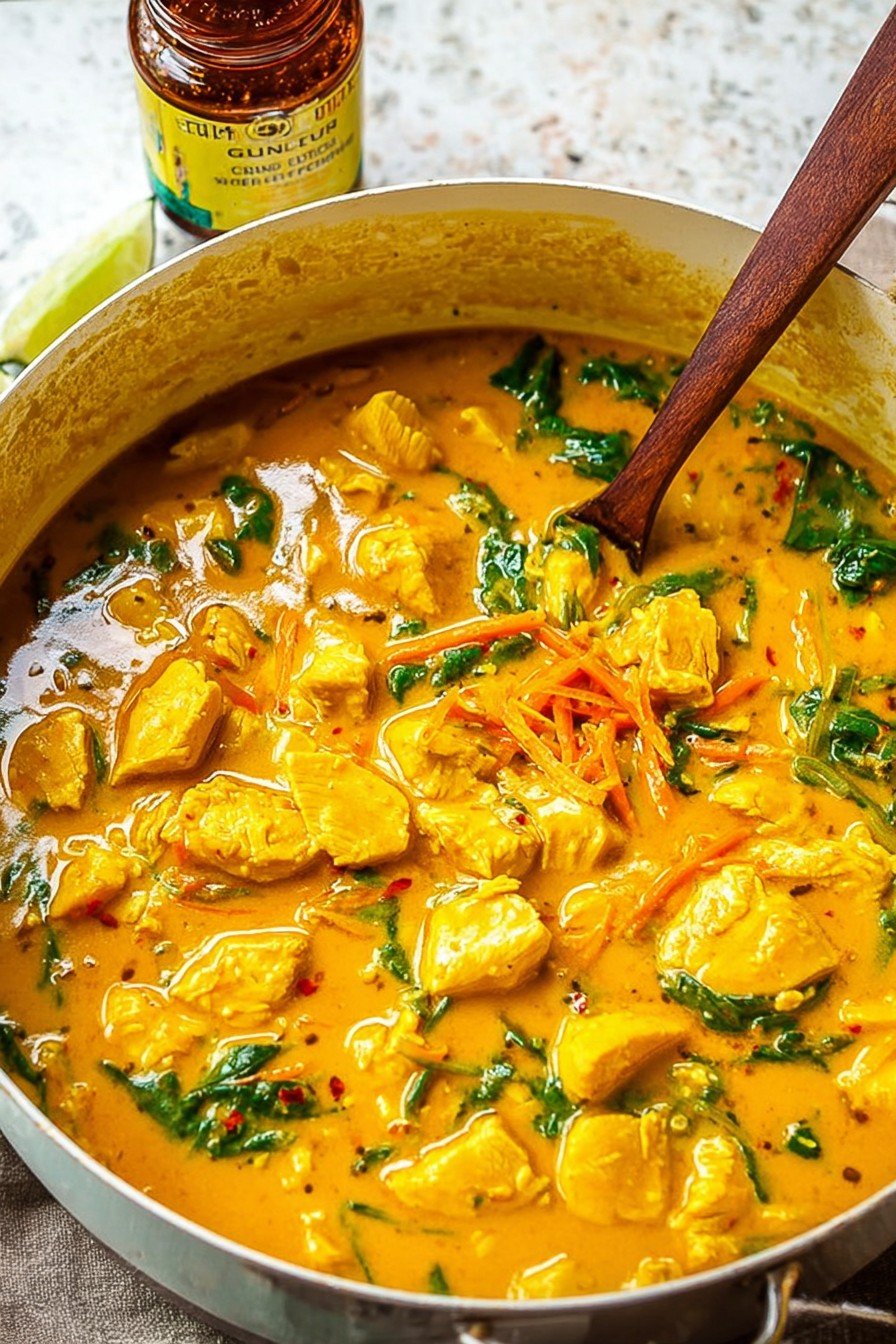
Also, there was an incident involving a spilled spice jar and a laugh so loud the neighbor’s dog started barking, but, ah, we’ll save that for another time. Hope you’re ready to get your hands a little messy, because that’s half the fun. Or at least, that’s what I tell myself when things inevitably splatter a bit.
Why You’ll Love This: The Anti-Fuss Curry
I make this when, honestly, I can’t face another bland weeknight meal, or when my family’s doing that thing where they ask, ‘Is there something different for dinner?’ (subtext: they want takeout, but I’m not caving that easily). My kid swears the potatoes are the best ‘because they taste like clouds’—not sure what that means, but I’ll take the compliment.
Also, if you’re like me and occasionally panic when the curry splits or the coconut milk looks funny—don’t sweat it. It’s surprisingly forgiving, even if you slightly overcook the chicken or use the cheap curry paste. I’ve even used leftover roast chicken (don’t tell my mother-in-law; she’ll roll her eyes, guaranteed).
What You’ll Need: Easy Ingredients, Swaps Welcome
- About 500g (a generous pound) of chicken thigh, cut into bite-size bits (honestly, breast works too if that’s all you have—sometimes I mix both if I’m clearing out the freezer)
- 1 yellow or white onion, chopped (if you’re feeling lazy, a shallot works—I’ve even used a handful of spring onions before; it’s fine!)
- 2 tbsp yellow Thai curry paste (Maesri is my go-to but, honestly, whatever brand you spot at the shop will do—add a third tablespoon if you’re feeling bold)
- 1 can (400ml) good old coconut milk—full fat makes it silkier, but light works, too (my sister swears by the organic stuff, but, eh, I can’t always taste the difference)
- 1-2 medium potatoes, peeled and diced
- 1 carrot, sliced into coins (or, let’s be honest, half a bag of frozen mixed veg when I’m in a rush)
- 1 bell pepper, any color, sliced (I’ve even just stirred in a handful of snap peas before—surprisingly tasty!)
- 1 tbsp fish sauce (but soy sauce works if you can’t stand fishy things, I won’t judge)
- 1 tsp sugar (white, brown, palm—it doesn’t matter; I’ve used honey too in a pinch)
- Juice of half a lime, or a splash of rice vinegar
- Handful of chopped cilantro for serving (or honestly, skip it if you’re one of those soapy-cilantro folks)
- Jasmine rice, for serving (but sometimes I just grab a packet of microwaveable rice…shh)
How to Make It (Maybe With a Bit of Chaos)
- First, heat up about a tablespoon of oil in a biggish pot—medium heat is your friend here. Toss in the chopped onion and curry paste. Stir and fry for a couple of minutes, until your kitchen starts to smell like a holiday. If it looks a bit dry, splash in a bit of the coconut milk (I usually do—less chance of burning, and, well, I’m an impatient stirrer).
- Add the chicken pieces and cook, stirring, until they lose that raw pinkness. This is where I sometimes sneak a little taste of the sauce—just for science.
- Pour in the coconut milk (give the can a good shake first) and bring the whole thing to a gentle simmer. Don’t crank the heat—if it boils hard, the coconut milk can split and look weird (not a disaster, but… yeah, trust me, gentler is better).
- Throw in your potatoes, carrot, and bell pepper. Let it all simmer until the veggies are soft and the chicken’s done—about 15-20 minutes. If it looks too thick, or you like it a bit soupy, add a splash of water or chicken stock.
- Stir in the fish sauce, sugar, and lime juice. Tweak to your taste, I always do—maybe a bit more sugar if the curry paste is aggressive, or a little extra lime if I overdid it on the salt.
- Give it a taste test (careful, it’s hot). Adjust anything you like. This is usually when someone at my house snags a spoonful because it ‘smells too good to wait.’
- Serve it all up with steaming rice, scatter some cilantro over if you like, and dig in.
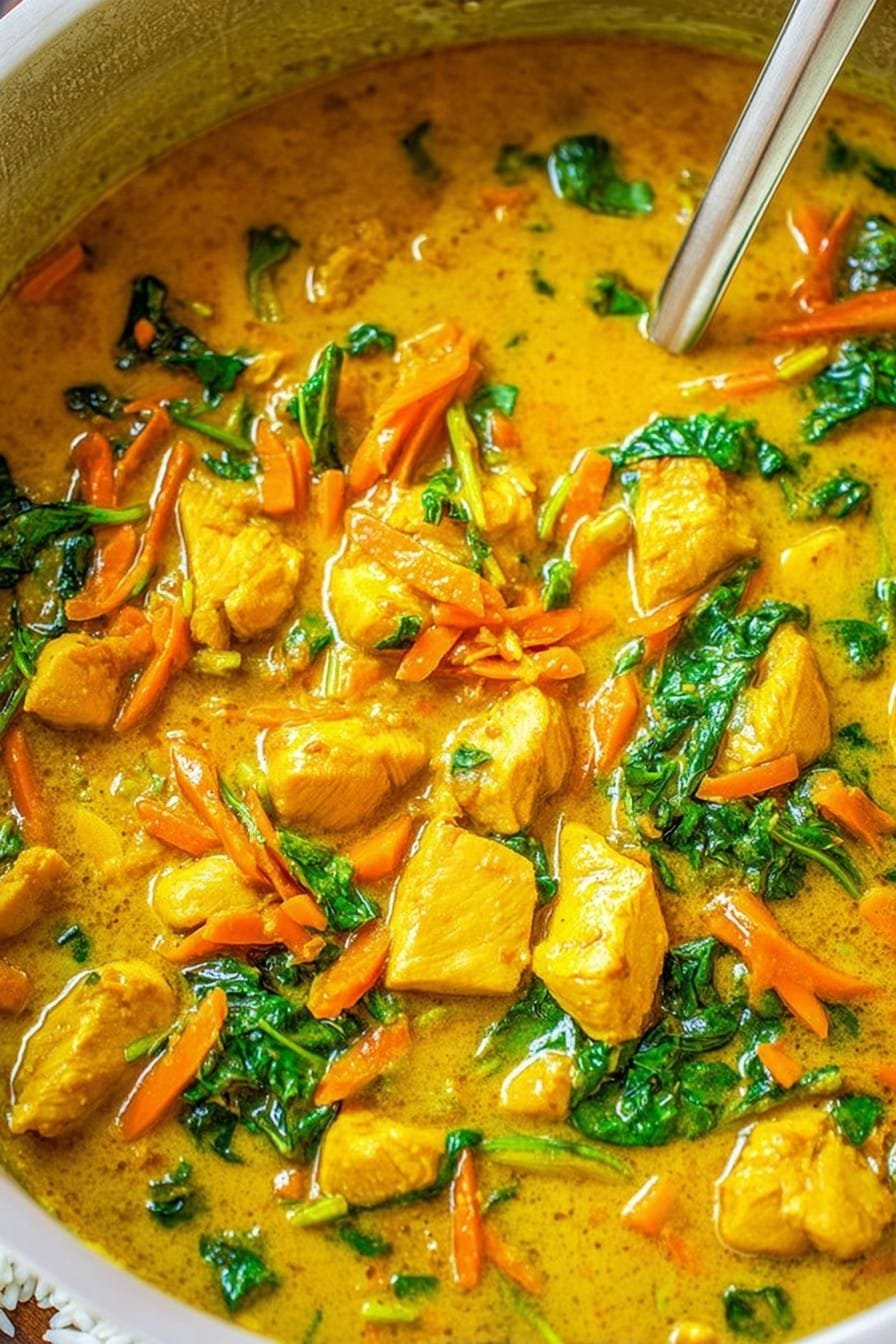
Bits I Learned the Hard Way (Notes)
- Don’t skip the simmering stage; the potatoes actually need that time. I got impatient once; ended up with crunchy bits (yuck).
- Squeezing the lime in just after cooking, not during, gives a fresher flavor—though, sometimes I forget and it turns out fine.
- It’s totally possible to sub in sweet potato (my trial-run verdict: a bit mushy, but nice and sweet if you’re into that).
If You Fancy Mixing It Up (My Experiments and Fails)
- I tried adding pineapple—thought it’d be fun, turned out way too sweet. Maybe skip that unless you’re into dessert curries.
- Leftover roast chicken works if you’re really pressed for time. Just toss it in midway to heat up rather than simmering the full time.
- You can swap the potatoes for butternut squash or even cauliflower florets. Taste’s a bit different, but honestly, sometimes you just use whatever’s left in the crisper.
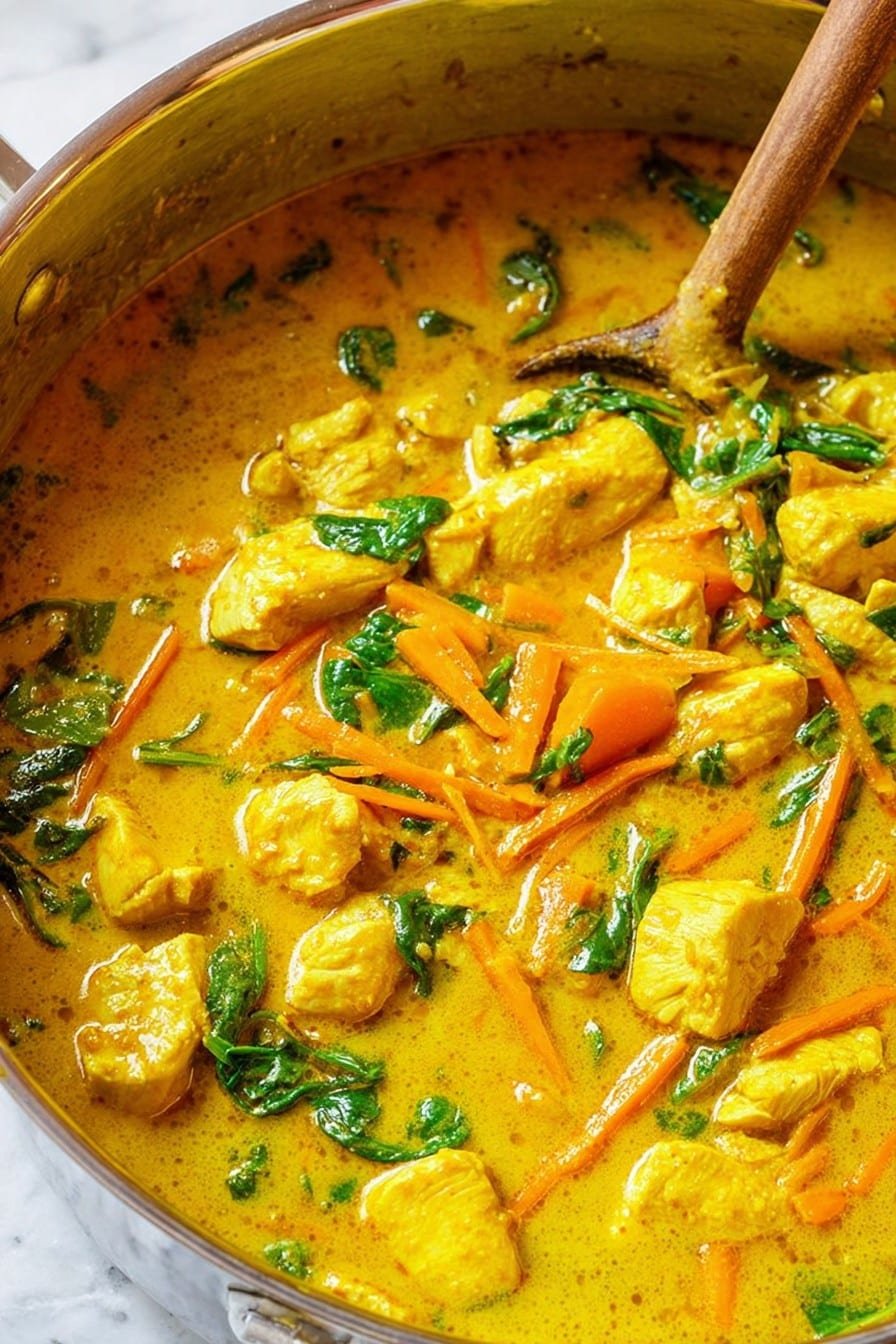
Gear I Use—But You Don’t Have to Be Fancy
Honestly, a regular old pot is fine. If you have a Dutch oven, good for you—less likely to burn anything, but I used a battered saucepan for years (just keep the heat down and stir a bit more, no biggie). Wooden spoon? Nice, but a big metal spoon’s never let me down—apart from that one time I melted it on the stove, but moving on…
Storing Leftovers—If You Even Have Any
This actually keeps surprisingly well in the fridge for 2-3 days in a container, though honestly, in my house, it never lasts more than a day! You can freeze it for later, too; just give it a good stir when you reheat because it might look a little bit separated at first (visuals never bother me, taste is what matters, right?).
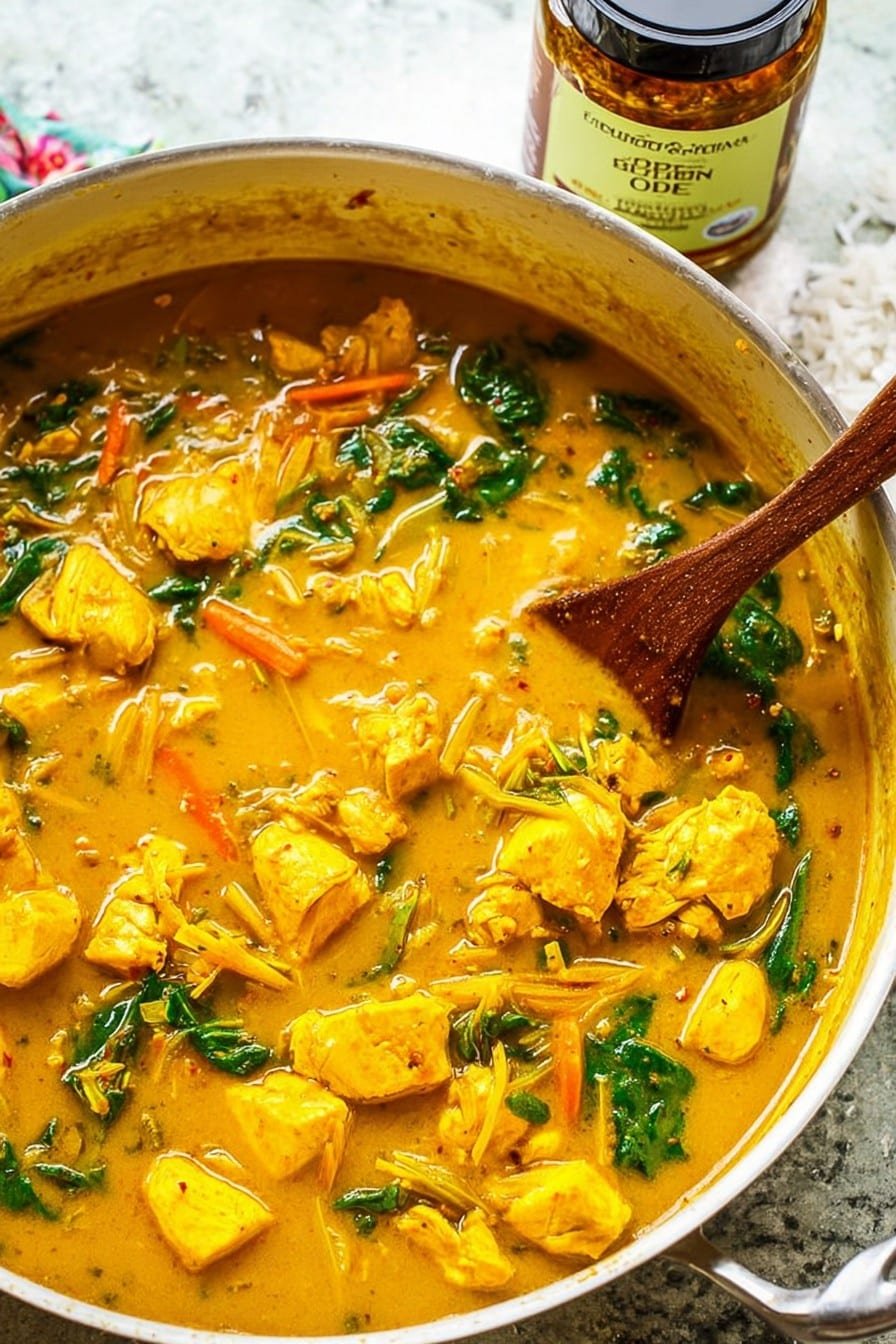
How I Love to Serve It (You Do You!)
For me, it’s jasmine rice all the way—hot, fluffy, and basic; it just works. Sometimes, if I’m feeling a bit cheeky, I’ll warm up some naan or roti instead. My cousin dunks prawn crackers in (wild, but it sort of works—try it if you’re brave). We always put a bottle of Sriracha on the table because someone will ask for more heat.
Things I Wish I’d Known Sooner (Pro Tips)
- I once tried to save time by throwing all the ingredients in at once—it was a bit of a flavor muddle. Actually, it works better if you fry the curry paste with onion to kickstart the flavor. (But on a busy Thursday I still just throw things in sometimes…)
- Keep the heat medium, not high; otherwise, you might burn the coconut milk, and it’s a pain to clean.
- Measuring exact spice levels is less useful than just tasting as you go. Everyone’s paste is different strength anyway.
Some Real-Life Questions (With My Real Answers)
- Q: Can I use green or red curry paste instead?
Sure! It won’t be ‘yellow’ anymore, obviously—but the recipe more or less works. Just mind the heat level. Green is usually punchy. - Q: What if I don’t have coconut milk?
Oof, that’s tricky. You can use evaporated milk in a pinch, though the flavor’ll be quite different—kind of like curry’s British cousin. Or just toss in extra chicken stock and cream for a fun experiment. - Q: Can I skip the fish sauce?
Yep—just add a dash more soy sauce instead, though you’ll miss a little umami oomph (I always say, try it at least once if you can get over the smell!). - Q: Is it freezer-friendly?
It is, but sometimes the potatoes go a bit mealy after thawing. Doesn’t bother me, but just FYI. - Q: Any veggie version idea?
Oh, loads! Swap the chicken for mushrooms and tofu, and honestly, bulk up on whatever veg you fancy. Did that once when my vegan pal came round and it was a hit (apart form a serious chili accident—careful if you’re heavy handed!).
So that’s my Yellow Thai Chicken Coconut Curry story. If you make it, let me know if you try the prawn cracker thing—I’m on the fence. And if you splatter turmeric all over your favorite shirt, well, consider it a culinary badge of honor (my old apron can tell some stories).
Ingredients
- 500g boneless skinless chicken thighs, cut into pieces
- 2 tablespoons yellow Thai curry paste
- 400ml coconut milk
- 1 cup potatoes, peeled and diced
- 1 red bell pepper, sliced
- 1 medium onion, sliced
- 2 tablespoons vegetable oil
- 2 teaspoons fish sauce
- 1 teaspoon brown sugar
- Fresh cilantro, for garnish
- Steamed jasmine rice, to serve
Instructions
-
1Heat the vegetable oil in a large pot over medium heat. Add the sliced onion and cook until soft and fragrant, about 2-3 minutes.
-
2Stir in the yellow Thai curry paste and cook for 1-2 minutes until aromatic.
-
3Add the chicken pieces to the pot and cook until lightly browned on all sides.
-
4Pour in the coconut milk, add the potatoes, and bring the mixture to a gentle simmer.
-
5Add the red bell pepper, fish sauce, and brown sugar. Stir well, cover, and simmer for 20 minutes or until the chicken is cooked through and the potatoes are tender.
-
6Serve hot, garnished with fresh cilantro and accompanied by steamed jasmine rice.
Approximate Information for One Serving
Nutrition Disclaimers
Number of total servings shown is approximate. Actual number of servings will depend on your preferred portion sizes.
Nutritional values shown are general guidelines and reflect information for 1 serving using the ingredients listed, not including any optional ingredients. Actual macros may vary slightly depending on specific brands and types of ingredients used.
To determine the weight of one serving, prepare the recipe as instructed. Weigh the finished recipe, then divide the weight of the finished recipe (not including the weight of the container the food is in) by the desired number of servings. Result will be the weight of one serving.
Did you make this recipe?
Please consider Pinning it!!