Let Me Tell You About My (Slightly Odd?) Cottage Cheese Eggs
You know how some dishes just sneak up and become your weird comfort food? Well, Cottage Cheese Eggs is 100% that for me. First time I made it, I thought, “Okay, is this going to be gross?” (I’m not too proud to admit it.) But man—one bite and I was hooked. It kind of reminds me of rainy Saturdays when you can’t be fussed to make a big deal of breakfast, but you still want something a bit special. Oh, and the best part: it’s about as forgiving as a recipe gets. Drop an eggshell in the pan? Just fish it out (or don’t, no one will know).
Actually, my brother always asks for these after a night out or before his annoying 6AM bike rides. And let’s not even mention the time I accidentally spilled half the cottage cheese on the floor—note to self: sometimes it helps to wake up before cooking.
Why I Keep Making These Cottage Cheese Eggs
I whip this up when I wake up hungry but don’t feel like measuring (or cleaning much). My family goes nuts for the creamy, fluffy texture—my kid claims it tastes like fancy hotel breakfast. Which cracks me up because I’m wearing my oldest pajamas and using whatever cheese is in the fridge, but hey, take the compliment, right?
Honestly, I used to struggle with scrambled eggs always coming out a bit rubbery. But the cottage cheese saves the day—keeps everything just moist enough (ugh, sorry if you hate that word). Plus, it’s protein packed, so I can pretend I’m eating healthy. On weekends, sometimes I add hot sauce just because no one can stop me.
What You’ll Need (And What I Sometimes Swap)
- 4 large eggs (I’ve used 3 and made it work, egg math is flexible!)
- 1/3 cup cottage cheese (full-fat for rich, low-fat if you’re feeling virtuous)
- 1 tablespoon butter (or splash of olive oil—my grandmother swore by butter, I use whatever’s softest that morning)
- Salt, to taste
- Black pepper, freshly ground if you can swing it
- 1 tablespoon chives or spring onions, chopped (totally optional, or swap for parsley if you want to feel fancy)
- Small handful of shredded cheddar or mozzarella (optional, but very tasty)
Here’s How I Actually Do It
- Crack your eggs into a bowl (dodging any stray shell bits—my personal specialty). Add the cottage cheese. Give it all a good whisk. If it looks lumpy, that’s fine—I promise it sorts itself out in the pan.
- Heat the butter in a nonstick skillet over medium-low. Don’t rush this or things get weirdly tough. Sometimes I get impatient and crank the heat, then regret it immediately. Just saying.
- Pour in your eggy cheesy mixture. Let it sit for 20 seconds, then slowly drag a spatula around the edges and across the pan—think gentle. Cottage cheese bits will look a little odd, but they melt into creamy clouds soon enough.
- Once it’s half-set, toss in your chives (if using) and extra cheese (if you’re doing it), then give a little stir. This is usually when I sneak a taste—chef’s prerogative.
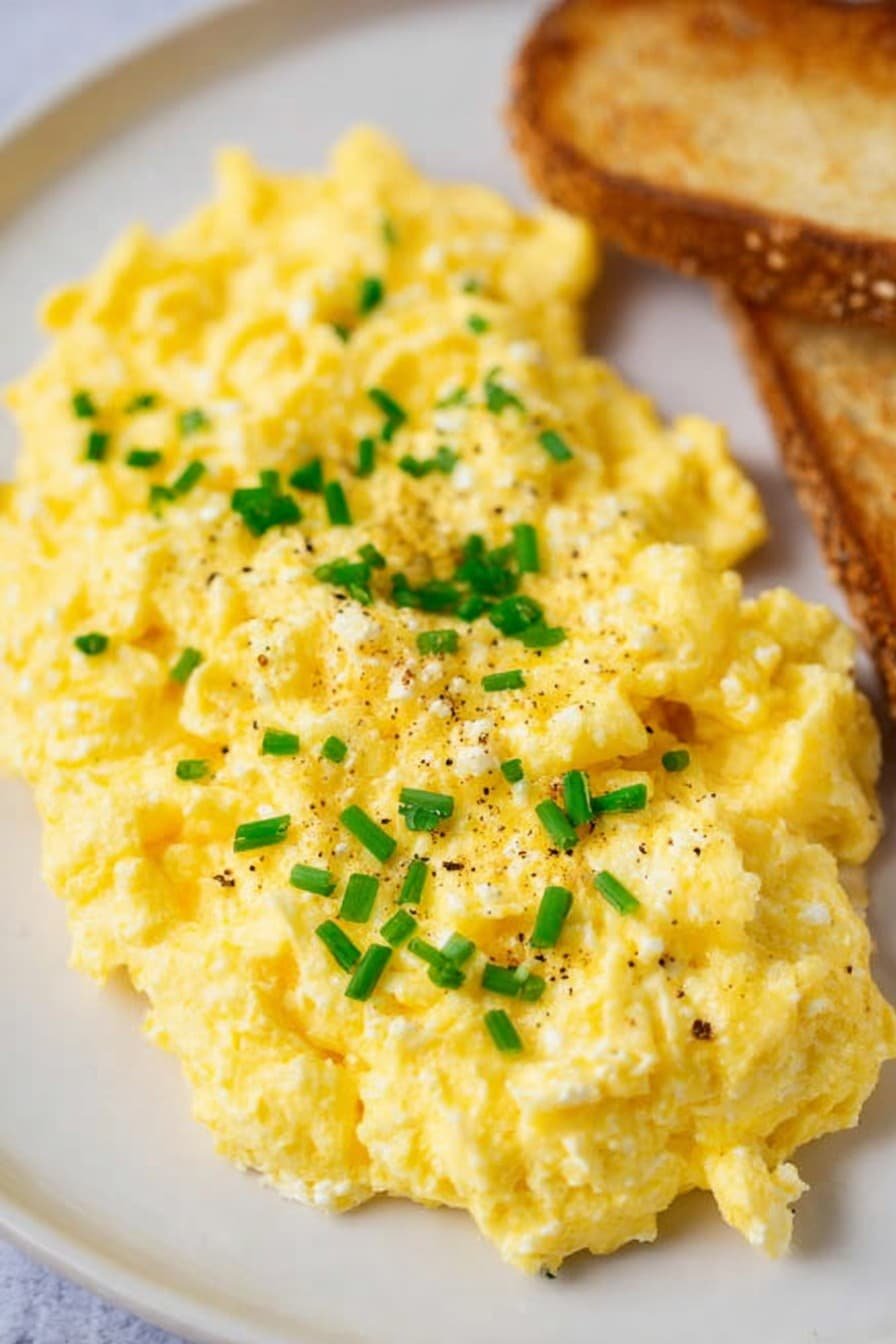
- Cook until just barely set but still glistening. Slide onto plates. Sprinkle with salt and pepper. If you accidentally overcook it, don’t worry; nobody has ever left any behind at my house, crispy bits included.
Little Things I’ve Learned (Mostly the Hard Way)
- If the eggs look a bit too runny at first, resist the urge to blast the heat. On second thought, pulling the pan off the stove for a sec works way better.
- Once, I tried doubling the cottage cheese to “boost protein”—big mistake. It came out watery and reminded me of questionable cafeteria eggs. Won’t do that again.
- Forgot the chives once and no one noticed. So don’t stress if you’re out.
My Experiments: What Works, What Doesn’t
- I’ve swapped Greek yogurt for cottage cheese in a pinch. It was OK, but honestly, cottage cheese just works better texturewise.
- Adding spinach is delicious (just wilt a handful in the pan first), but tomatoes made it way too soggy. Live and learn.
- I once tossed in leftover ham, which made it more breakfast-for-dinner, and that really hit the spot after a long day.
- If you’re daring, try a splash of salsa at the end—spicy, tangy, and slightly messy. Fun, though.
Do You Need Fancy Equipment? Nah
All you really need is a decent nonstick skillet and a spatula. Don’t have a whisk? A fork will do—just takes a bit longer (arm workout!). I used a wooden spoon once when everything else was dirty. Worked fine. In a pinch, you can microwave them, but frypan wins every time if you ask me.
How I Store Them (If I Ever Get the Chance)
If you somehow don’t eat them right away, pop leftovers in a container in the fridge—good for a day or two, but they don’t stay as fluffy on reheating. Honestly, they rarely last more than an hour before someone “samples” them anyway.
How I Like to Serve These Eggs
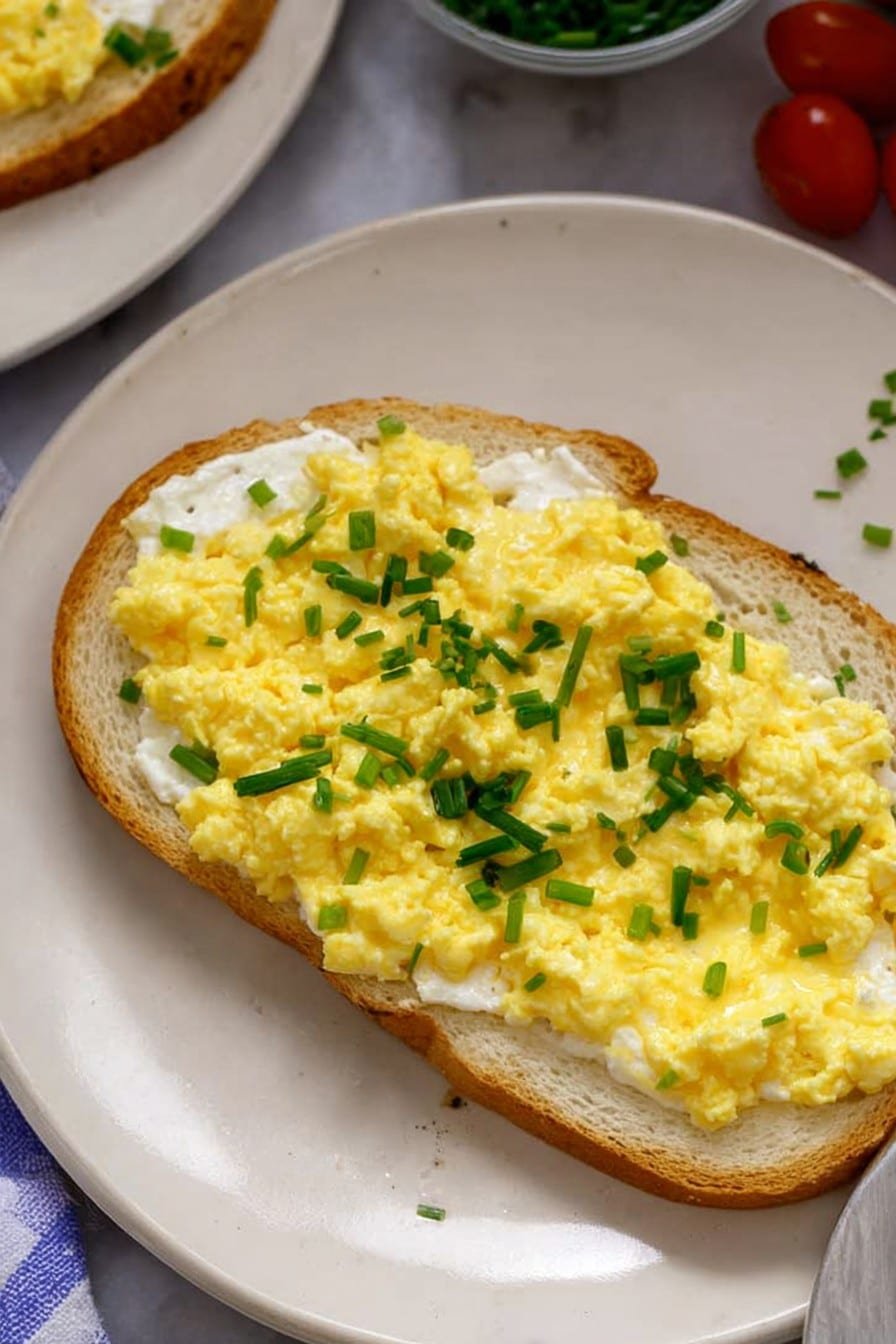
My favorite is piling them on buttered toast with extra black pepper. The kids do wraps with salsa and avocado. On special mornings (meaning, a day I’m not running late), I make them with roasted veggies on the side. Sometimes we even eat them straight out of the pan, family-style. Messy but fun.
Pro Tips From Too Many Mornings in My Kitchen
- Don’t skip the slower cooking. I tried rushing by cranking up the stove once—big regret. Chewy, dry, and nobody wanted seconds.
- Actually, I find it works better if you use room temp eggs so they don’t seize up in the pan. But honestly, who remembers to plan that far in advance?
- If you taste and think it needs “something,” try a pinch of smoked paprika or a little hot sauce. Sometimes that’s the missing puzzle piece.
FAQ: The Stuff People Actually Ask Me
- Can I use low-fat cottage cheese?
- Yep! It’s less creamy, a little less rich, but still tasty. If you’re really watching fat, try half cottage cheese and half plain Greek yogurt.
- Does this taste like “cottage cheese” eggs?
- Nope. The curds sort of just disappear into the eggs; it’s more creamy-fluffy than cheesy. Even my picky niece likes it, and she “hates” cottage cheese. (Go figure!)
- Can I make this ahead?
- Kinda. You can mix the eggs and cheese the night before. But I think it tastes best fresh off the stove.
- Is there a way to make it spicy?
- Oh for sure! I sometimes throw in a pinch of chili flakes or splash of hot sauce while it’s still in the pan. Or, just add salsa on your plate. Live a little.
Oh, did I ever tell you about that time my cat knocked over the chives mid-cook? Anyway, maybe that’s a story for another recipe…
Ingredients
- 4 large eggs (I’ve used 3 and made it work, egg math is flexible!)
- 1/3 cup cottage cheese (full-fat for rich, low-fat if you’re feeling virtuous)
- 1 tablespoon butter (or splash of olive oil—my grandmother swore by butter, I use whatever’s softest that morning)
- Salt, to taste
- Black pepper, freshly ground if you can swing it
- 1 tablespoon chives or spring onions, chopped (totally optional, or swap for parsley if you want to feel fancy)
- Small handful of shredded cheddar or mozzarella (optional, but very tasty)
Instructions
-
1Crack your eggs into a bowl (dodging any stray shell bits—my personal specialty). Add the cottage cheese. Give it all a good whisk. If it looks lumpy, that’s fine—I promise it sorts itself out in the pan.
-
2Heat the butter in a nonstick skillet over medium-low. Don’t rush this or things get weirdly tough. Sometimes I get impatient and crank the heat, then regret it immediately. Just saying.
-
3Pour in your eggy cheesy mixture. Let it sit for 20 seconds, then slowly drag a spatula around the edges and across the pan—think gentle. Cottage cheese bits will look a little odd, but they melt into creamy clouds soon enough.
-
4Once it’s half-set, toss in your chives (if using) and extra cheese (if you’re doing it), then give a little stir. This is usually when I sneak a taste—chef’s prerogative.
-
5Cook until just barely set but still glistening. Slide onto plates. Sprinkle with salt and pepper. If you accidentally overcook it, don’t worry; nobody has ever left any behind at my house, crispy bits included.
Approximate Information for One Serving
Nutrition Disclaimers
Number of total servings shown is approximate. Actual number of servings will depend on your preferred portion sizes.
Nutritional values shown are general guidelines and reflect information for 1 serving using the ingredients listed, not including any optional ingredients. Actual macros may vary slightly depending on specific brands and types of ingredients used.
To determine the weight of one serving, prepare the recipe as instructed. Weigh the finished recipe, then divide the weight of the finished recipe (not including the weight of the container the food is in) by the desired number of servings. Result will be the weight of one serving.
Did you make this recipe?
Please consider Pinning it!