Let’s Talk Gyeran Bap—Why This Recipe Never Lets Me Down
If you open my fridge, you’ll usually find—well, not much, to be honest, except a carton of eggs that seems to multiply like rabbits and an ominously large tub of leftover rice (how do I always make too much?). That’s the beauty of Gyeran Bap (Korean Egg Rice). It’s my go-to fix for mornings when the cereal box has approximately three sad flakes left, or those late-night snacks where my brain just wants a warm hug, not a fancy meal. First time I made it, I overcooked the egg so badly it basically became an omelette on top, but my brother still ate it—said it reminded him of street food in Seoul. Not sure if that was a compliment, or just him being endlessly hungry. Either way, I’ve kept making it because, well, you’ll see.
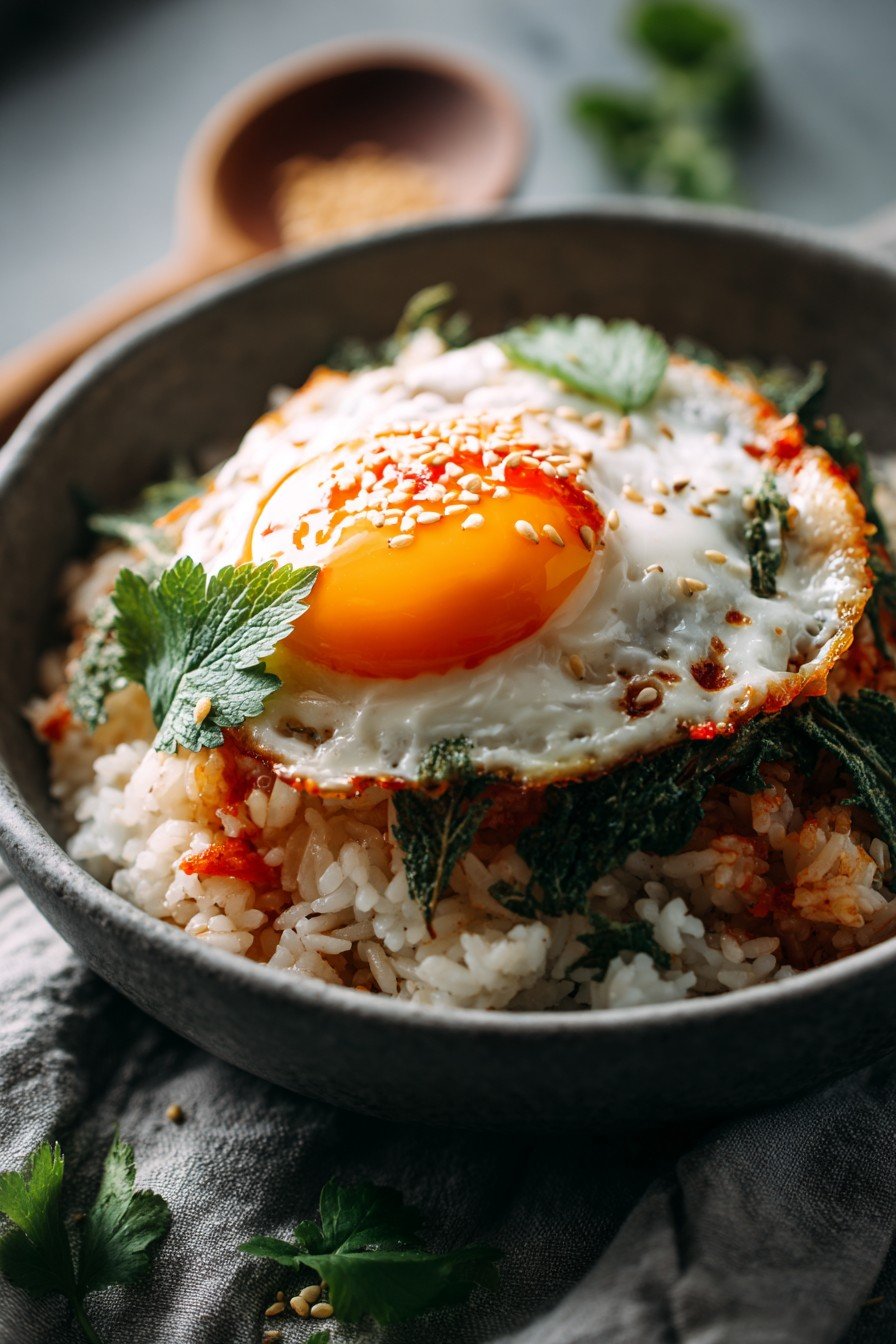
Why You’ll Love Gyeran Bap (Or at Least Not Hate It)
I make this when I can’t be bothered to think, let alone cook. My family practically begs for it after a long day—it’s like the kitchen’s version of a cozy blanket. (And hey, it’s cheaper than ordering takeout again!) The best bit? It’s ridiculously forgiving—even the not-so-pretty versions taste wonderful, and you need exactly zero fancy skills. I’ve even made it with 30-second microwave rice before, and no one talked about it after, so… make of that what you will.
Oh, and stir in a knob of butter and suddenly everything’s five times better. It’s science. Or at least, my version of it.
What You’ll Need to Make Gyeran Bap (With a Few Cheeky Swaps)
- 1 cup cooked hot rice (leftover cold rice is fine too; my friend swears by it, but I like mine fluffy and warm)
- 1 large egg (sometimes I use two if I’m extra hungry or if one is a runt, which happens)
- 1/2 to 1 tablespoon soy sauce (I usually go heavy; my grandma insisted on Jin Ganjang, but any will do—yes, even the supermarket stuff)
- 1 teaspoon toasted sesame oil (but, confession: I’ve used olive oil in a pinch, and while it’s not traditional, it’s not awful)
- 1/2 tablespoon unsalted butter (more if you’re reckless)
- 1 green onion, chopped (skip it if your produce drawer is past saving—won’t ruin the dish)
- Generous sprinkle of roasted seaweed (gim/nori)—I crush it in my hand like a medieval wizard
- Pinch of sesame seeds (not 100% necessary, but they do look nice)
- Optional: kimchi, leftover veggies, a whisper of gochugaru (Korean chili flakes) for heat
How to Throw Together Gyeran Bap (Even If You’re Distracted)
- Warm your rice: Either in the microwave or on the stove—I’ve microwaved it in the same bowl I eat from, honestly. Just don’t burn your fingers. If you’re reheating, slap a damp paper towel over it.
- Fry your egg: Heat a small nonstick skillet or, really, any pan that isn’t glued shut with last night’s dinner. Medium heat, little oil or butter (butter for a treat). Crack in your egg; I go sunny-side-up if I’m feeling photogenic, but scrambled is fine (especially when the flipping fails). Salt it a bit.
- Butter + Seasonings: While the egg’s sizzling, drop a pat of butter onto your steaming rice so it melts all lovely and glossy. Swirl in the soy sauce and sesame oil—mix it around; I use chopsticks but honestly a fork is fine.
- Build your bowl: Plop the egg on top of your seasoned rice. Try not to break the yolk if you’re into that glorious gooey thing. Scatter green onion, sesame seeds, and that crumbled seaweed over everything. Sometimes I sneak a taste here—purely for quality control, obviously.
- Dive in: Don’t fuss with making it Instagram-worthy—just mix the whole mess together, kimchi on the side if you’ve got it. Don’t worry if it looks a little, um, rustic. That’s part of the charm.
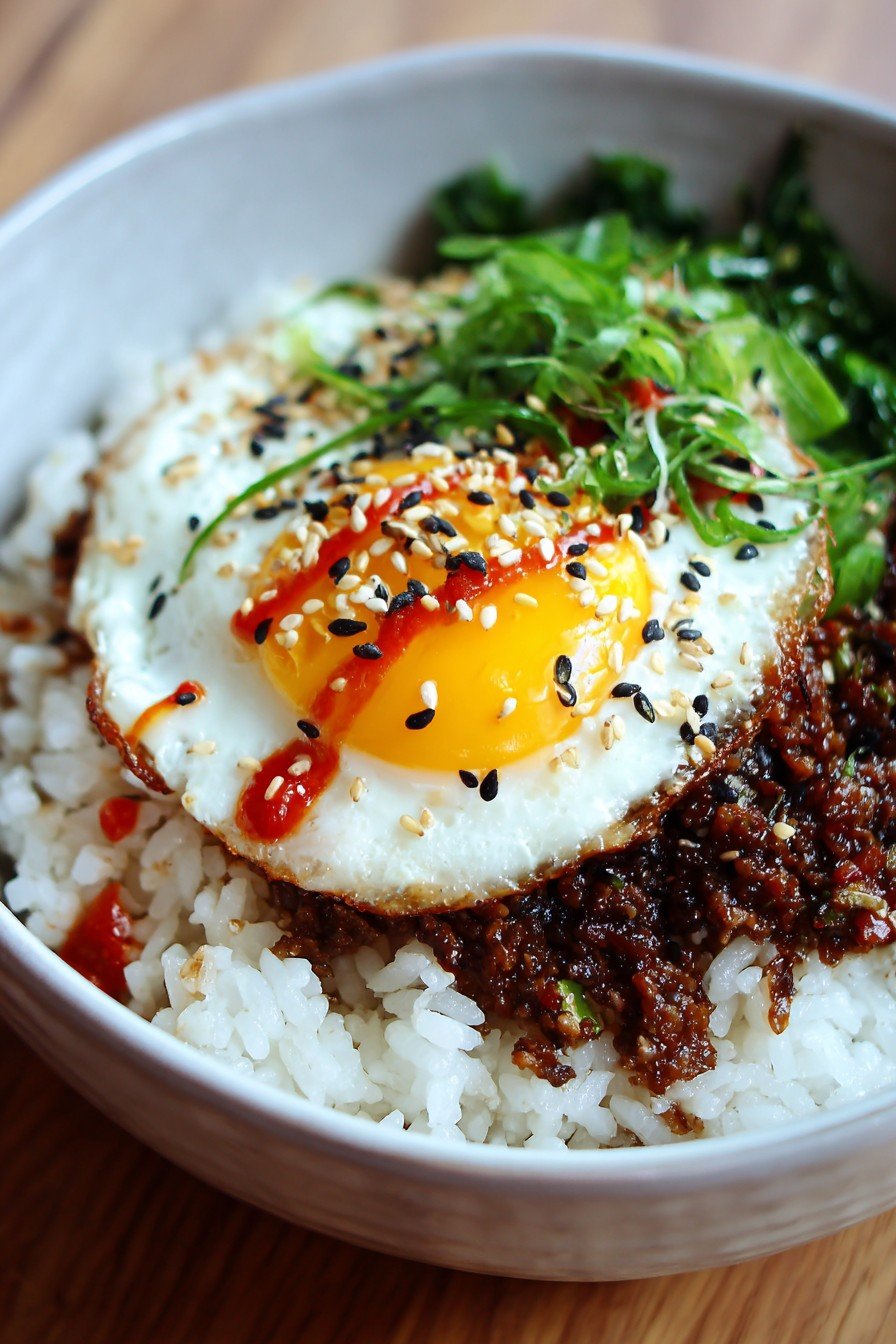
Some Notes I Wish I’d Known Sooner
- Cold rice works in a pinch, but it can end up chewy; microwaving with that damp paper towel hack is clutch.
- Butter is optional in theory, but in practice, I always add it. Makes it feel indulgent.
- If your soy sauce is super salty, use less—you can always add more, but taking it out, well, good luck with that.
- I once used fish sauce thinking it would be the same. It was not the same.
Some Ways I’ve Mixed It Up (And Once Totally Regretted)
- Chopped kimchi stirred in—absolute game changer
- Swapped in sriracha when out of gochugaru—maybe not Korean, but spicy!
- Added frozen peas—because why not? They melt right in.
- Tried cheddar cheese once as a wild experiment, and it was… not for me. (But maybe you’ll love it!)
- If you like a runny yolk, a poached egg actually works well here. Just easier to fry one, in my opinion.
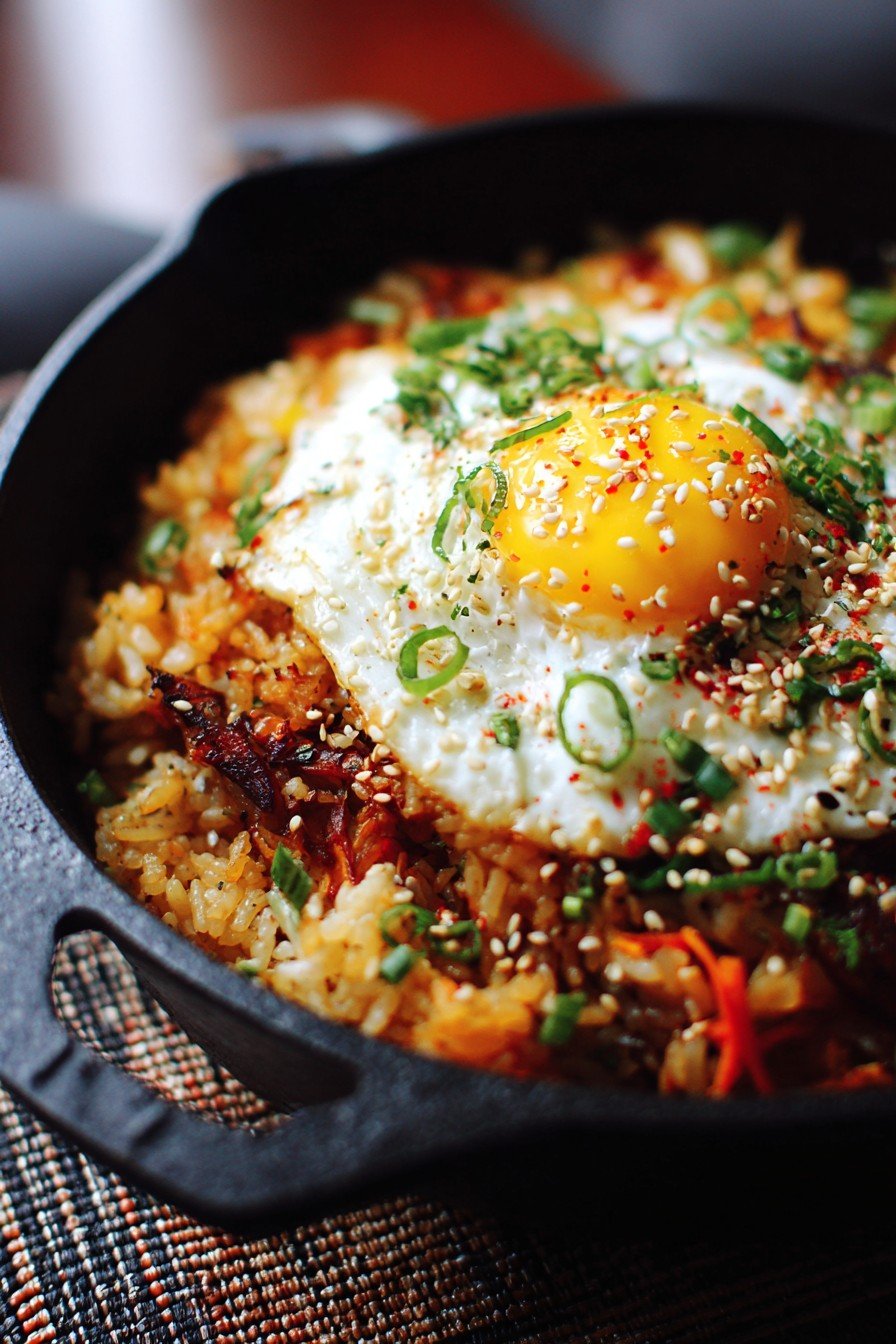
You Really Don’t Need Fancy Equipment (Seriously)
- If your nonstick pan is MIA, a regular pan + more butter = less sticking (and more flavor—happy accident!)
- Bowl, spoon or chopsticks, microwave or stove, that’s about it. I’ve even done it camping on a dinky gas burner, balanced on a log. Worked out fine—well, minus the bugs.
How to Store Gyeran Bap (But Does Anyone Ever Need To?)
If you do have leftovers—congrats, that’s impressive willpower—pop them in a sealed container in the fridge. The egg gets a bit tough, so I’ll sometimes add a splash of water before zapping it in the microwave. Usually, though, it’s all gone before I even think about storage (it’s like magic—it just disappears).
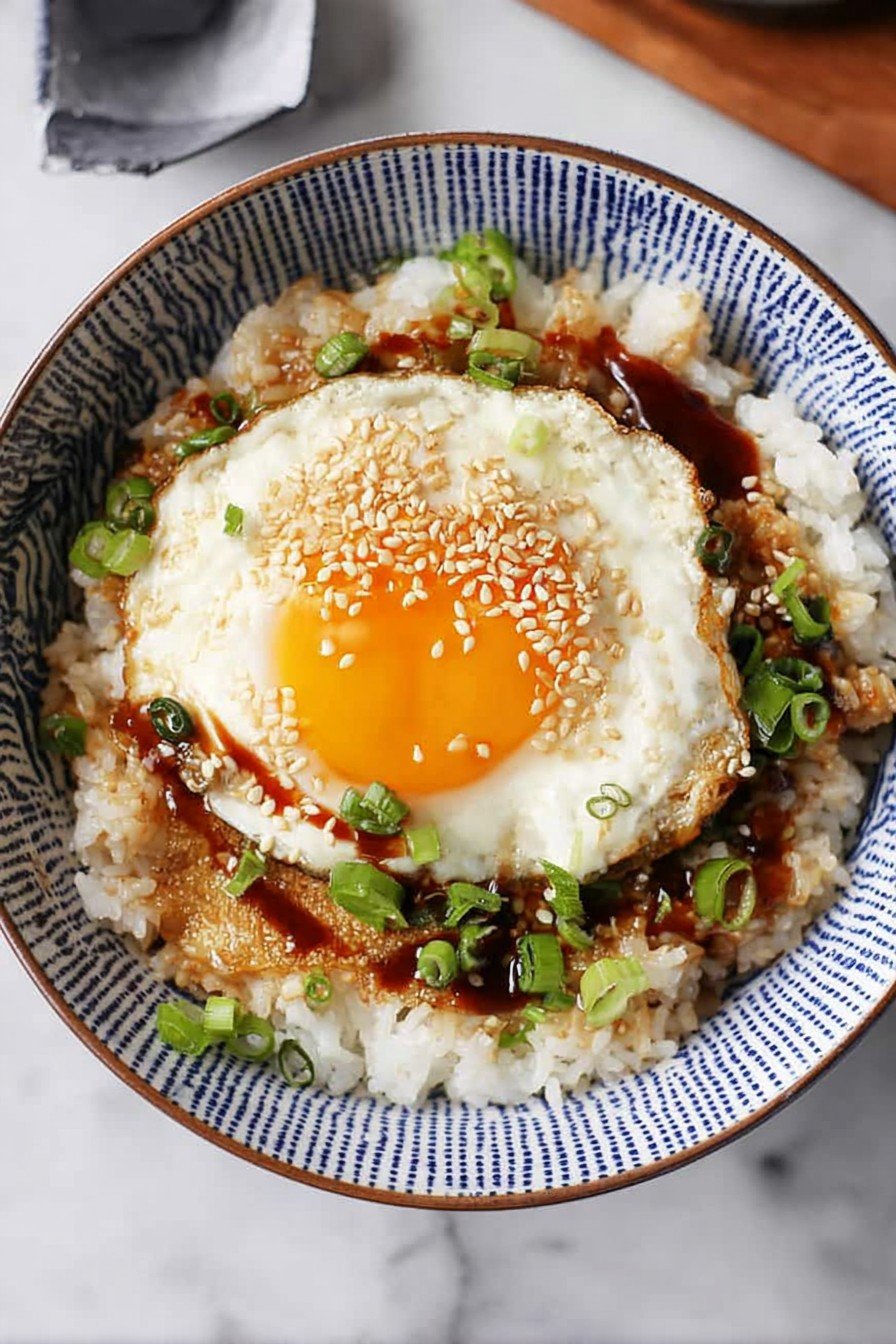
How I Like to Serve It (Family Habits Die Hard)
I serve it directly in the bowl I mixed it in, with a side dish of kimchi or quick pickled radish (if I remembered to make it in time). Sometimes I top it with chili crisp if I’m in the mood for a kick; my sister likes hers extra seaweed-y and honestly, there are worse habits.
Mistakes I’ve Made (So You Don’t Have To)
- Rushed the egg and ended up with a hockey puck—low and slow wins here.
- Tossed in too much soy sauce once; tasted like a salt lick. Just drizzle, taste, then maybe a second drizzle.
- Neglected to season the rice—realized the egg can’t fix blandness alone.
Gyeran Bap FAQs—I Get These All the Time
Can I use brown rice?
Sure thing! The texture gets a bit nuttier. Honestly, I like the original best, but you do you.
Do I need sesame oil?
It’s classic, but skip it if you’re out—maybe throw in a dash of olive oil. It won’t make or break it, I promise.
What if I want to add meat?
Totally! Leftover rotisserie chicken gets in there sometimes, or spam if you’re feeling a bit retro.
My egg keeps breaking when I fry it—help?
Don’t stress. Broken eggs still taste great! Also, scrambled eggs are basically just plan B, and sometimes I think they soak up the flavors even better.
Is it okay to eat this cold?
Look, I’ve definitely eaten it fridge-cold at 2 am. It’s… fine, but I vote for warm if you can swing it.
Can I double the recipe?
Absolutely, but use a bigger skillet or you’ll be playing egg Tetris (ask me how I know).
Oh, and quick tangent—if you ever visit Seoul, the street food stalls sometimes jazz up gyeran bap with all sorts of toppings, which is fun to try, but I still think there’s nothing like a homemade bowl in your pajamas. At the end of the day, it’s about comfort, not perfection. So go ahead, make it messy, and enjoy every bite.
Ingredients
- 2 cups steamed short-grain white rice
- 2 large eggs
- 2 teaspoons soy sauce
- 2 teaspoons toasted sesame oil
- 1 teaspoon unsalted butter
- 1 green onion, finely chopped
- 1/2 teaspoon roasted sesame seeds
- Pinch of ground black pepper
Instructions
-
1Divide the freshly steamed rice evenly into two serving bowls.
-
2Heat the butter in a non-stick skillet over medium heat. Crack the eggs into the pan and fry until the whites are set and the yolks remain runny, about 3-4 minutes.
-
3Place one fried egg on top of each bowl of rice.
-
4Drizzle each bowl with 1 teaspoon soy sauce and 1 teaspoon toasted sesame oil.
-
5Sprinkle chopped green onion, roasted sesame seeds, and a pinch of black pepper over the top. Serve immediately.
Approximate Information for One Serving
Nutrition Disclaimers
Number of total servings shown is approximate. Actual number of servings will depend on your preferred portion sizes.
Nutritional values shown are general guidelines and reflect information for 1 serving using the ingredients listed, not including any optional ingredients. Actual macros may vary slightly depending on specific brands and types of ingredients used.
To determine the weight of one serving, prepare the recipe as instructed. Weigh the finished recipe, then divide the weight of the finished recipe (not including the weight of the container the food is in) by the desired number of servings. Result will be the weight of one serving.
Did you make this recipe?
Please consider Pinning it!!