Let’s be honest for a second: some recipes just stick. Like, the kind you make once and suddenly everyone expects you to bring it to all the weird family gatherings (yep, even Uncle Dave’s carport lunch). Mom’s Cottage Cheese Lasagna is totally that dish for me. Every time I make it, I remember my mom bustling around the old kitchen in her slippers, singing off-key to Fleetwood Mac and force-feeding me little bites because she was worried I’d starve before dinner. She always said the magic was in the cottage cheese, and, well—she wasn’t wrong. One time I tried to swap it for ricotta and my brother almost staged a one-man protest. Anyway, let’s dive in, yeah?
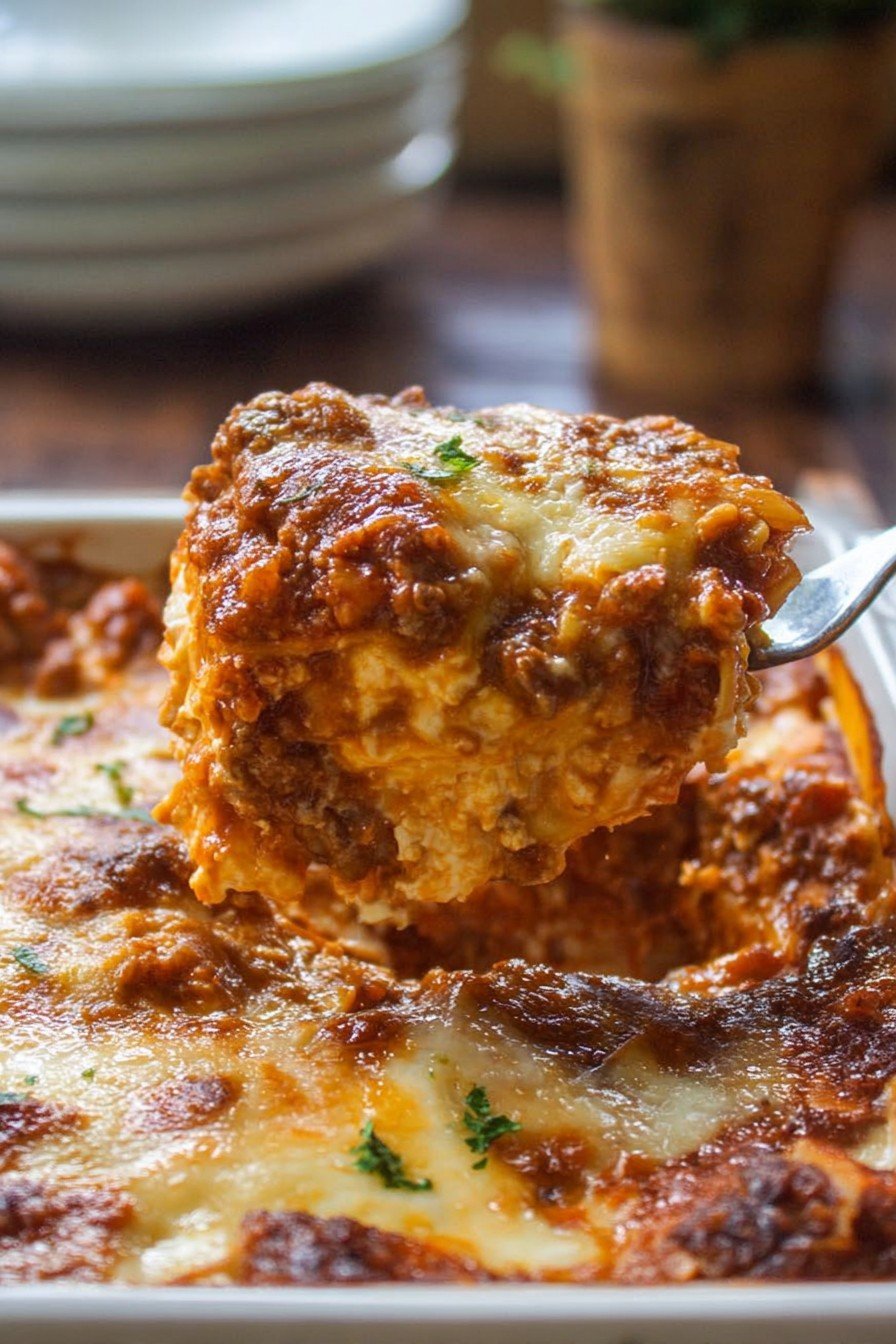
Why You’ll Love This (No, Really)
I trot this lasagna out when I want something homey that won’t have me fussing for hours. My family goes nuts for it—especially my daughter, who says it’s the only lasagna that tastes the same as when Grandma made it, even though I now add a smidge more garlic (sorry, Mom). If you’re the type who secretly dreads soggy lasagna, worry not—the cottage cheese keeps things creamy but not watery, cross my heart. And if you’re busy, you’ll love that you can kind of just slap it together without measuring every single thing (not that I ever measure cheese, do you?). The only point of stress is remembering to save enough cheese for the top. I always forget and end up scraping bags for sad little cheese remnants. Not ideal!
Here’s What You’ll Need (with Swaps & Secrets)
- 1 (16 oz) carton cottage cheese (Seriously, full-fat’s pretty great, but I’ve gone with low-fat in a pinch. Don’t overthink it.)
- 1 egg (My neighbor swears by duck eggs, but I’ve never been that fancy.)
- 2 cups shredded mozzarella cheese (Pre-shredded is fine, but if you have time, hand shredding is oddly satisfying. Or use a mix if you’re running low.)
- 1/2 cup grated parmesan (The kind from a little green can totally works here. My grandmother insisted on the real wedge, but I say life’s short.)
- 1 jar (about 24 oz) marinara sauce (Or use your own, but honestly, store-bought saves my sanity.)
- 9-12 lasagna noodles (No-boil saves time. Regular ones are fine—you’ll just need to cook ‘em. I use whatever’s hanging around in the pantry.)
- 1/2 pound ground beef (Turkey, pork, or plant-based crumbles have all worked here. Once, I tried lentils—didn’t love it, but you do you.)
- 2-3 cloves garlic, minced (I am guilty of doubling this. And sometimes I just use that pre-minced stuff if my hands are too cold to peel garlic.)
- 1 tablespoon Italian seasoning (Or just a hodgepodge of oregano, basil, and thyme. No need to get fussy.)
- Salt & pepper (A pinch of both. But I rarely measure, just a quick shake and call it good.)
Let’s Make It! (Don’t Worry, It’s Not Fancy)
- Preheat your oven to 375°F (that’s about 190°C for my metric mates). Grab a biggish baking dish—9×13 is the sweet spot.
- If you’re using regular noodles, boil them up in salty water until they’re just bendy, but don’t go mushy. Drain them, maybe give ‘em a quick rinse so they’re not sticky. If you’ve got no-boil, well, skip all that fussing.
- In a frying pan, brown your ground beef over medium heat. I sprinkle in a little salt and add the garlic once the beef’s halfway done so it doesn’t burn. Stir in the Italian seasoning, then pour in about half your marinara sauce. Let it simmer a few minutes—this is where I usually sneak a taste (for safety, obviously).
- Mix up the cottage cheese, egg, and most of the parmesan in a bowl. Little bit of black pepper, if you’re feeling spicy. Don’t stress if it looks kinda lumpy—that’s cottage cheese for you! (Fun fact: this is about the time my cat shows up, acting like she’s never been fed.)
- Start layering! First, a thin layer of meat sauce on the bottom (so the noodles don’t stick). Lay down enough noodles to cover the bottom. Spoon on half the cottage cheese mixture, then scatter over a handful of mozzarella. Add another sauce layer, repeat the process, and finish with noodles, the rest of the marinara, and ALL the mozzarella left (assuming you remembered to save some).
- Scatter the last bits of parmesan on top (if there’s any left and you didn’t snack on it—no judgment).
- Cover with foil—just kind of tent it so it doesn’t glue itself to your cheese (I’ve lost so much good cheese that way). Bake for 30 minutes, then pull off the foil and give it another 10-15 minutes until the cheesy top looks bubbly and gloriously golden.
- Let it rest at least 15 minutes before slicing or you’ll end up with lava lasagna (I have the tongue burns to prove it). But honestly, half the time the family can’t wait that long.
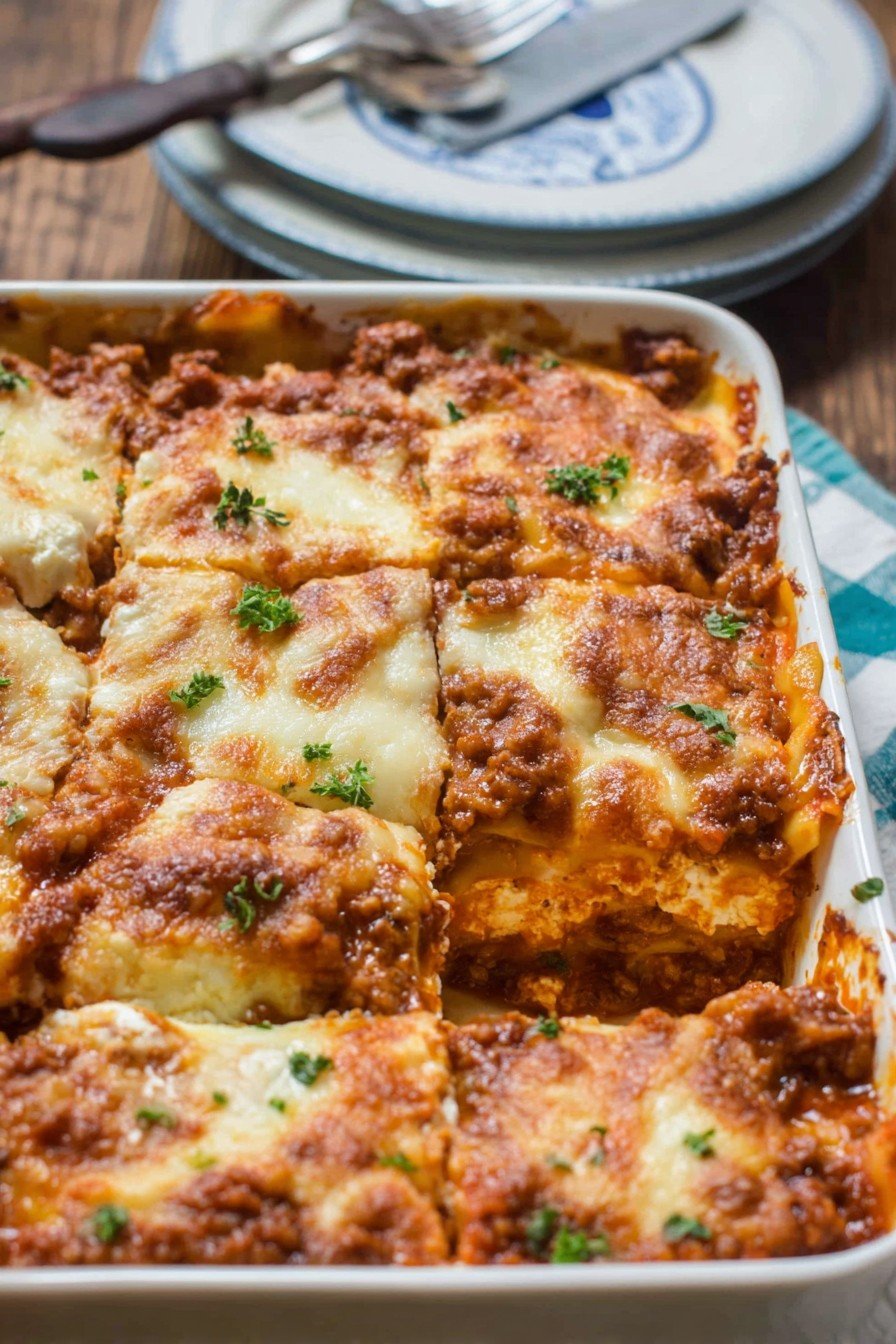
Notes form the Trenches (AKA Stuff I Learned the Hard Way)
- If you like a firmer lasagna, let it cool longer; the flavors get cozier. I think this actually tastes even better the next day, but leftovers rarely survive the night.
- Don’t stress about making perfect layers—sometimes my noodles rip and the cheese blobs everywhere, but it still tastes ace.
- If your sauce is very chunky, thin it with a splash of water before spreading. Or wine, if you’re feeling adventurous (just don’t tell my mom I said that).
Variations: My Hit-and-Miss Experiments
- I once tried swapping half the cottage cheese for ricotta. Didn’t hate it, but the texture’s way different (my kids noticed right off).
- For a veggie version, swap beef for mushrooms and spinach. Tasty, but somehow my father-in-law always grumbles about “missing meat.”
- Adding some roasted red peppers was a fluke that actually turned out great. On the other hand, using weird fancy cheese (looking at you, blue cheese) was a mistake I won’t repeat.
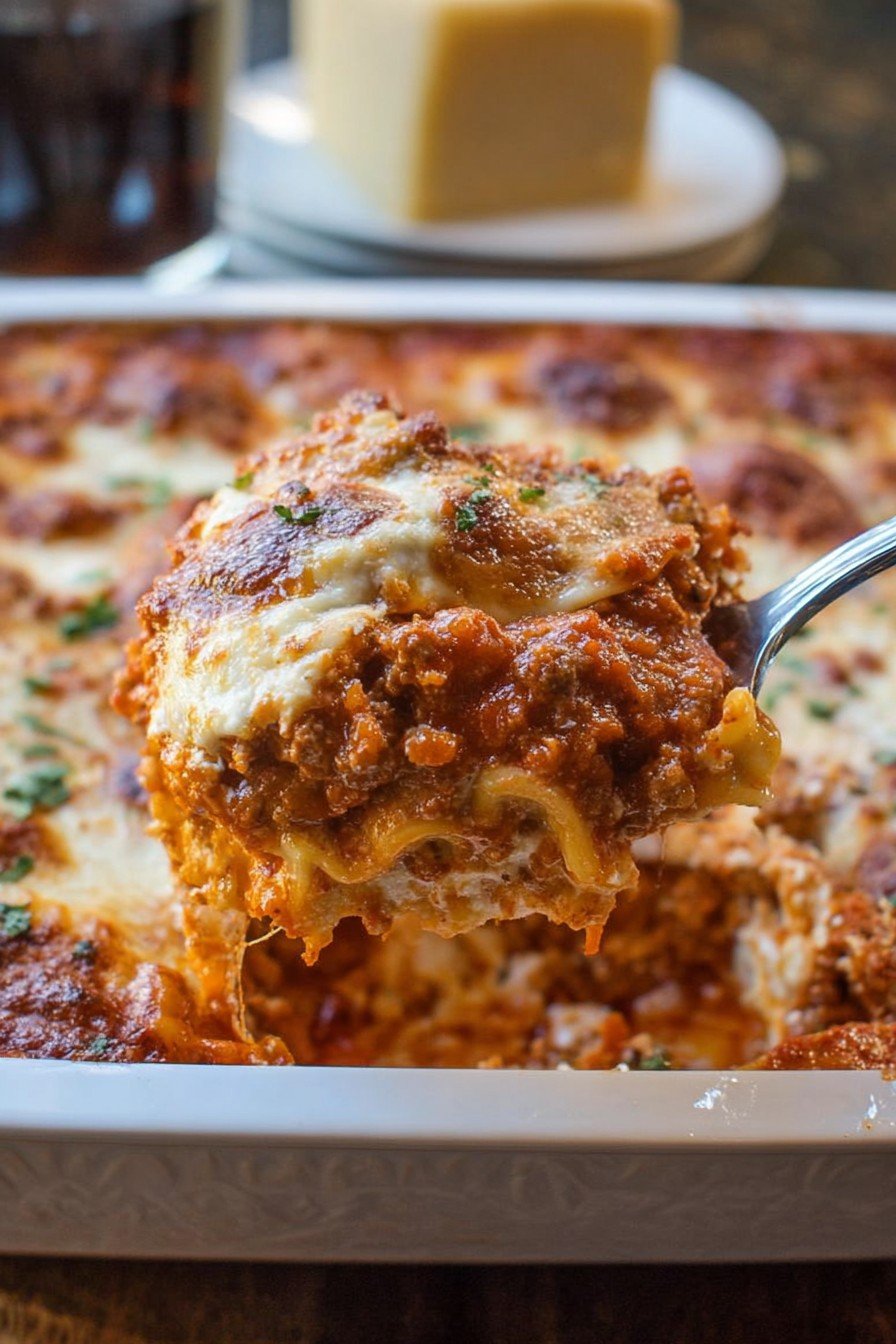
What If I Don’t Have the Right Pan (or Tools)?
Honestly, I’ve made this in everything from glass Pyrex to that one battered tin pan that probably shouldn’t go in the oven. If your dish is smaller, just do more layers or make two little lasagnas (share one with a neighbor and become the hero of your block). No garlic press? Smash it with a knife. Cheese grater MIA? Tear cheese by hand, or use pre-shredded. Life’s too short for kitchen snobbery.
Best Ways to Store It (But Mine Never Lasts That Long)
Store leftover lasagna (if, against all odds, you have some) in the fridge, tightly covered. It keeps for about 3-4 days, but in my house, it never makes it past day two. You can freeze it, either whole or in pieces. Just wrap well and thaw overnight in the fridge before reheating. One time I microwaved a frozen chunk and, let’s just say, the results were… mixed. Oven is better.
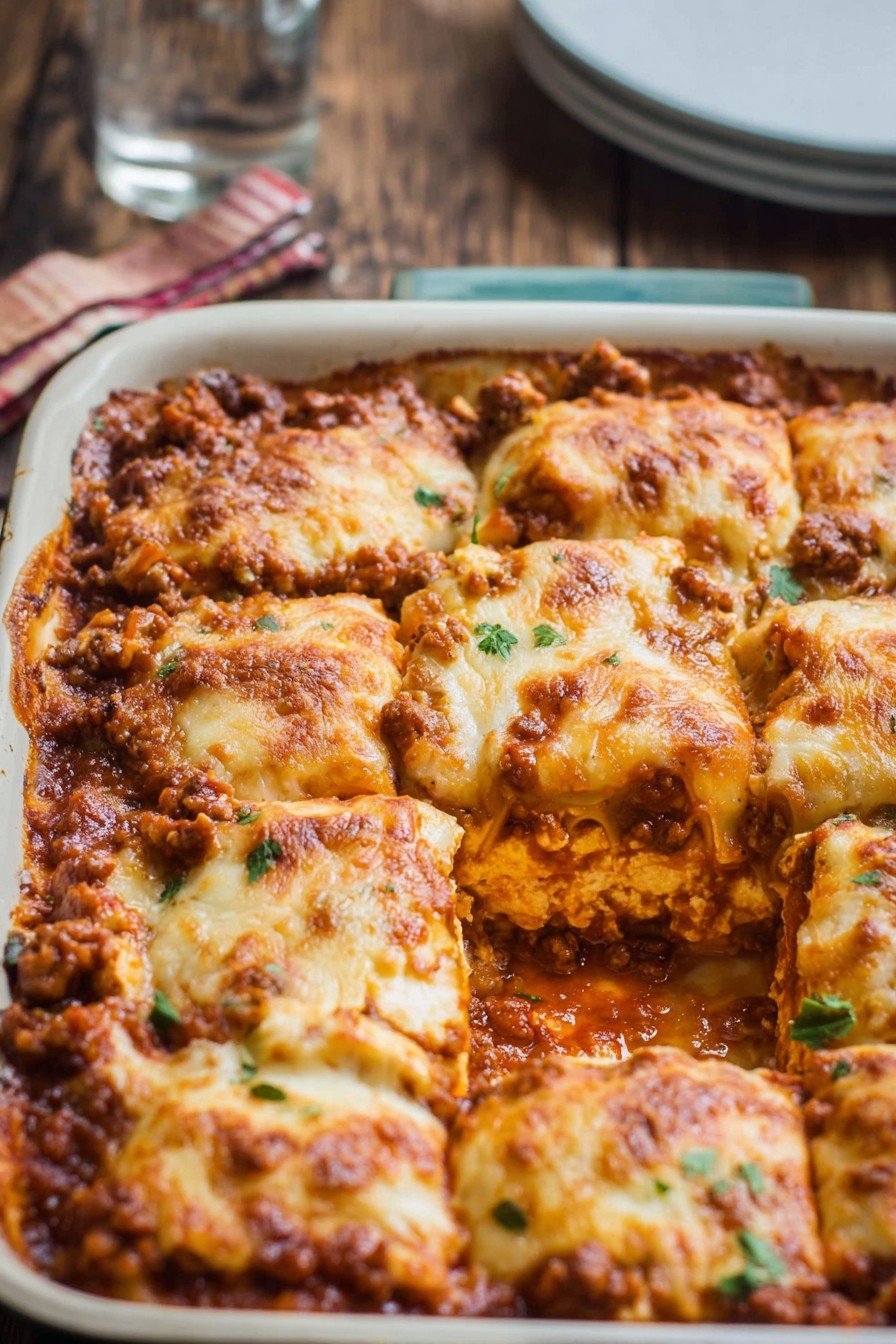
Serving Suggestions from My Dinner Table
I always serve Mom’s Cottage Cheese Lasagna with a big old green salad—usually whatever greens need using up plus way too many croutons (my son pours half the bag on his plate; what can you do?). Garlic bread is classic, but even some crusty bakery rolls will do in a pinch. Oh, and sometimes I just eat it standing up at the counter with a fork. Not fancy, but it hits the spot.
Hard-Earned Pro Tips (or, Lessons from My Lasagna Fails)
- Don’t rush the resting step—it makes the whole thing hold together. I once tried serving too early and ended up with cheese soup on plates. Not ideal.
- Remember to tent the foil so it doesn’t glue itself to the cheese (yes, I’m repeating myself—it’s that traumatic).
- I’ve found adding the hot meat sauce right onto cold cheese helps the layers sort of meld, if that makes sense. If not, just go with the flow.
Real-Life FAQ (aka: Stuff People Have Actually Asked Me)
- Can I make this ahead? Oh, absolutely! You can build it the day before and stash it in the fridge. In fact, I think it tastes better if it chills overnight before baking. Just add a few extra minutes to baking from cold.
- Is cottage cheese really better than ricotta? For me, yes—it’s kind of lighter and creamier. But if ricotta’s what you’ve got, don’t let me stop you. On second thought…maybe try half-and-half if you’re unsure.
- Can I freeze this? For sure! Either before baking or after. If you freeze it before baking, just thaw overnight and maybe give it a little extra bake time. Speaking form experience, microwaving it from frozen results in weird hot-cold patches, so I recommend the oven.
- What if I don’t eat beef? Loads of options! Swap for turkey, plant-based crumbles, or skip altogether and load up on veg—just make sure they’re not too watery.
- Do I seriously need to rest it? Yes, trust me, or you’ll get soupy slices and burned tongues. But if you sneak a small edge piece, I won’t judge!
All right, I think that covers the bases. If you try this and love it, let me know—unless you hate it, in which case, maybe don’t tell me (I’m just kidding, sort of). More than anything, this is about making your kitchen smell amazing and bringing people to the table, hungry for seconds (and probably thirds, but who’s counting?).
Ingredients
- 9 lasagna noodles
- 1 lb ground beef
- 1 (24 oz) jar marinara sauce
- 2 cups cottage cheese
- 2 cups shredded mozzarella cheese
- 1/2 cup grated Parmesan cheese
- 1 large egg
- 2 cloves garlic, minced
- 1 tsp dried Italian herbs
- Salt and black pepper to taste
Instructions
-
1Preheat oven to 375°F (190°C). Cook lasagna noodles according to package instructions; drain and set aside.
-
2In a large skillet, cook ground beef with garlic over medium heat until browned. Drain excess fat, then stir in marinara sauce, Italian herbs, salt, and black pepper. Simmer for 5 minutes.
-
3In a bowl, mix cottage cheese, egg, and half of the Parmesan cheese.
-
4Spread a thin layer of meat sauce on the bottom of a 9×13-inch baking dish. Layer 3 noodles, half of the cottage cheese mixture, one-third of the mozzarella, and one-third of the remaining meat sauce. Repeat layers, finishing with noodles, remaining sauce, and remaining mozzarella and Parmesan cheese on top.
-
5Cover with foil and bake for 40 minutes. Remove foil and bake an additional 20 minutes, or until cheese is golden and bubbly.
-
6Let lasagna rest for 10 minutes before slicing and serving.
Approximate Information for One Serving
Nutrition Disclaimers
Number of total servings shown is approximate. Actual number of servings will depend on your preferred portion sizes.
Nutritional values shown are general guidelines and reflect information for 1 serving using the ingredients listed, not including any optional ingredients. Actual macros may vary slightly depending on specific brands and types of ingredients used.
To determine the weight of one serving, prepare the recipe as instructed. Weigh the finished recipe, then divide the weight of the finished recipe (not including the weight of the container the food is in) by the desired number of servings. Result will be the weight of one serving.
Did you make this recipe?
Please consider Pinning it!!